

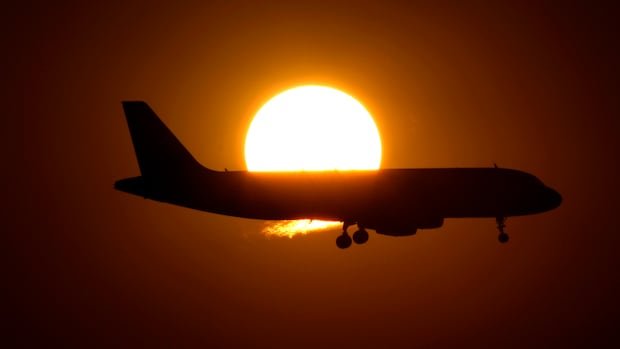

A recent study has indicated that flight attendants and pilots face a higher risk of radiation-related cancers compared to individuals working with radioactive materials. Cosmic radiation originating from space, though minimal on Earth’s surface, poses a greater risk to individuals at high altitudes such as frequent flyers.
The study, published in JAMA Internal Medicine, analyzed data from over 12 million death certificates, focusing on occupations and cancer-related mortality rates linked to radiation exposure. Among more than 500 professions, flight attendants exhibited the highest percentage of radiation-related cancer deaths, followed by pilots. The study also emphasized that neither group showed elevated mortality rates from non-radiation-related cancers, supporting the hypothesis of occupational radiation exposure as the primary cause.
The research challenges the conventional belief that flight crews’ increased risk of skin cancer stems from sunny layovers. Instead, the study suggests that cockpit environments play a significant role in elevated cancer risks for pilots. Flight attendants were found to have a 50% higher likelihood of succumbing to radiation-related cancers than the general workforce, with pilots facing a 36% higher risk.
While the study acknowledged certain limitations, such as the inability to quantify individual exposure levels or potential inaccuracies in occupation classification, it highlighted the complexity of assessing multiple concurrent exposures like cosmic radiation, UV-A light, and circadian disruption.
The study also underscored the impact of disrupted circadian rhythms on cancer risk among aircrews, exacerbated by factors like jet lag and irregular work schedules. Despite the Federal Aviation Administration’s recognition of ionizing radiation exposure among aircrews, there is a lack of federal dose limits or monitoring requirements.
In response to these findings, it has been suggested that individuals in high-altitude professions undergo regular skin examinations, with women considering earlier or more frequent mammograms. Additionally, healthcare providers caring for pilots and flight attendants should maintain a vigilant approach towards cancer diagnosis in these groups.