

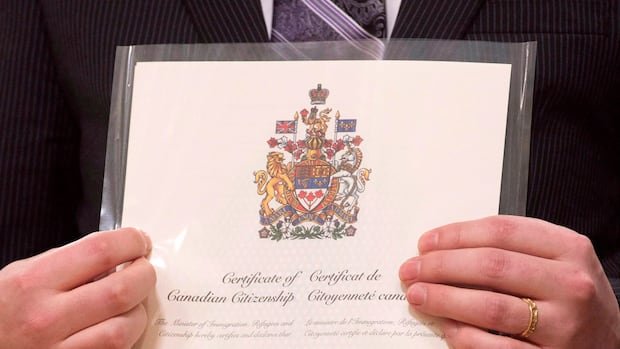

Applications for Canadian citizenship certificates have been surging globally in recent months, with a significant increase fueled by numerous submissions from the United States, according to information uncovered by CBC News. The adoption of the “Lost Canadian” legislation by Parliament late last year led to a nearly 50 percent rise in the number of individuals obtaining certificates between April 1 and May 31, as per fresh data obtained by CBC.
The implementation of Bill C-3 enables individuals to claim citizenship if they can demonstrate descent from a Canadian ancestor, irrespective of how many generations back that ancestor emigrated from Canada. This legislation was enacted following court decisions deeming the restriction of citizenship to only the first generation born outside Canada overly limiting.
Between mid-December, when Bill C-3 came into effect, and May 31, approximately 6,100 citizenship certificates were granted by Immigration, Refugees and Citizenship Canada (IRCC) to eligible individuals. This figure represents an increase from the 4,075 certificates issued from mid-December to March 31 due to Bill C-3.
Moreover, an additional 17,390 individuals have acquired certificates based on having a Canadian parent, whereas previously, being born outside Canada necessitated having a Canadian parent to qualify for citizenship.
The newly recognized Canadian citizens, totaling 23,490, can now apply for Canadian passports, reside, and work in Canada. However, Elections Canada has clarified that they are ineligible to vote in federal elections unless they have resided in Canada at some point in their lives.
Nearly half of the individuals recognized between mid-December and the end of May are U.S. citizens. The data from IRCC indicates that 3,110 Americans have become eligible for Canadian citizenship certificates under Bill C-3, while an additional 8,125 Americans have been granted certificates due to having a Canadian-born parent.
Nonetheless, this represents merely the beginning of a much larger trend. The volume of pending citizenship certificate applications has surged significantly, from approximately 56,000 in April to 70,400 in May. Presently, the IRCC website indicates that 121,800 individuals are awaiting decisions, ranging from applications for citizenship recognition under Bill C-3 to requests for replacing lost or stolen certificates.
Simultaneously, the estimated processing time for a decision has doubled from 12 months in May to 25 months as of August 10. Various estimates suggest a wide range of individuals who may qualify for Canadian citizenship under Bill C-3. The parliamentary budget officer approximates that around 115,000 people could be impacted by this legislative change.
Last October, Immigration Minister Lena Metlege Diab expressed an expectation of gradual application volumes in the tens of thousands over time, rather than a sudden surge. IRCC has proactively prepared for the implementation of Bill C-3, aiming to expedite application processing while upholding the integrity of the citizenship program.
In parallel, archivists in Canada have observed a notable surge in requests for genealogical records necessary to validate an unbroken lineage from a Canadian ancestor for individuals pursuing Canadian citizenship certificates under Bill C-3. The Association of Canadian Archivists reports a substantial increase in requests, causing strain on institutions and archivists, with demands for records dating back centuries.
The association is advocating for increased funding for archives nationwide to cope with the escalating demand for records spurred by Bill C-3. The surge in requests coincided with the end of budget cuts that terminated the Documentary Heritage Communities program, which many small and medium-sized archives relied on for financial support.
Furthermore, during a recent association meeting, archivists anticipated a potential new wave of requests for genealogical records following the suspension of approximately 100 certificates by IRCC in June due to document discrepancies. Archivists fear that some applicants may need to acquire additional genealogical records to address the issues flagged by IRCC.
Should applicants fail to provide satisfactory evidence, their citizenship certificates could face revocation. New Democrat immigration critic Jenny Kwan has received inquiries from affected individuals and has urged Minister Metlege Diab to address the situation promptly.