

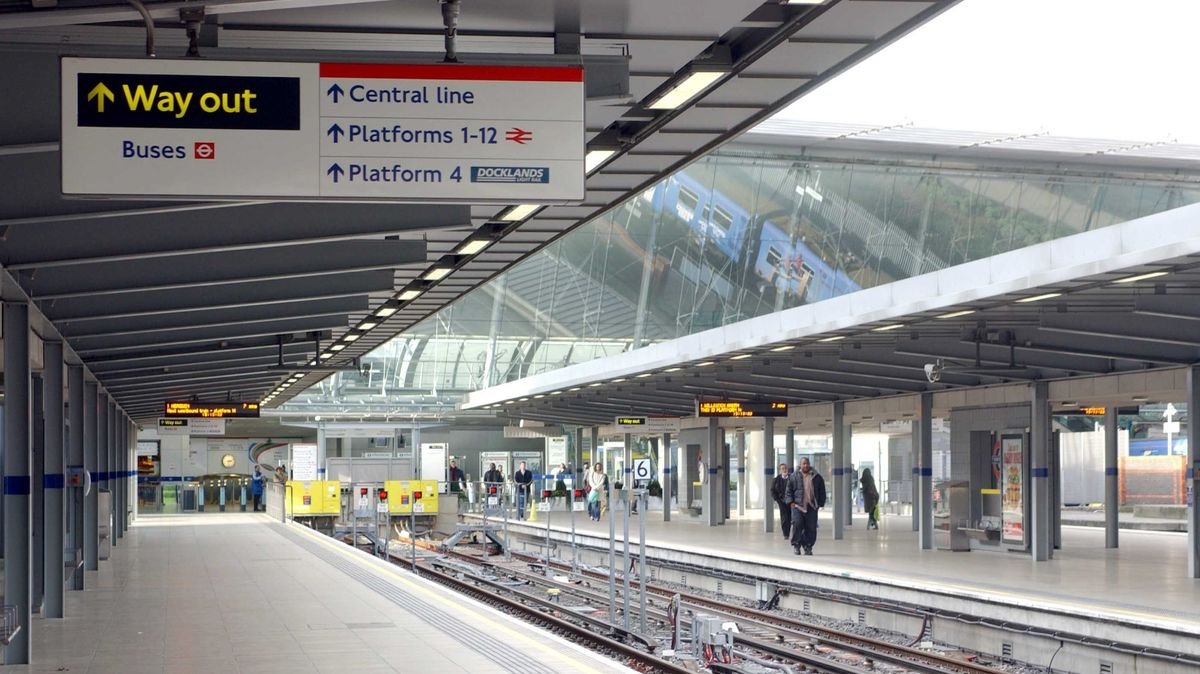

Commuters are experiencing widespread disruptions today due to the cancellation and delays of services on a section of the London Underground network. The issue stems from a malfunction with the live rail supplying electric power to trains, affecting signalling along the London Overground line. As a result, all trains operating between Stratford and Willesden Junction, as well as Stratford and Gospel Oak, are likely to face delays or cancellations until the problem is resolved.
Stratford, a bustling station outside London fare zone 1 and a pivotal hub for commuters from Essex and the East of England, is advising passengers to allow extra time for potential delays. The National Rail has reported an electric third rail issue in the Camden Road area, leading to disruptions in signalling equipment and a faulty passenger train. Commuters using services to and from Stratford may experience cancellations, delays of up to 30 minutes, or schedule revisions, with disruptions anticipated until the end of service.
To mitigate inconvenience, tickets can be utilized without additional charges on London buses along any reasonable route to facilitate journeys throughout the day, with many bus routes including stops at Stratford. Additionally, commuters experiencing delays are advised to retain their train tickets and note their journey details for potential compensation claims.
The London Overground line sees over 189 million journeys annually, serving 113 stations across its six branches, including popular stops like Clapham Junction, Richmond, and Hackney Central. Electric third rails, such as the one at Camden Road, transmit power to trains through conductors beside the tracks. While faults in these systems are uncommon, they can disrupt train operations by impeding power supply.
According to the Network Rail website, the conductor rail system is a straightforward yet effective method supporting train services, especially in electrified areas like the Southern network. Extending this system is deemed cost-effective compared to alternative electrification methods, contributing to the decarbonization of rail services by replacing diesel trains with electric ones.