

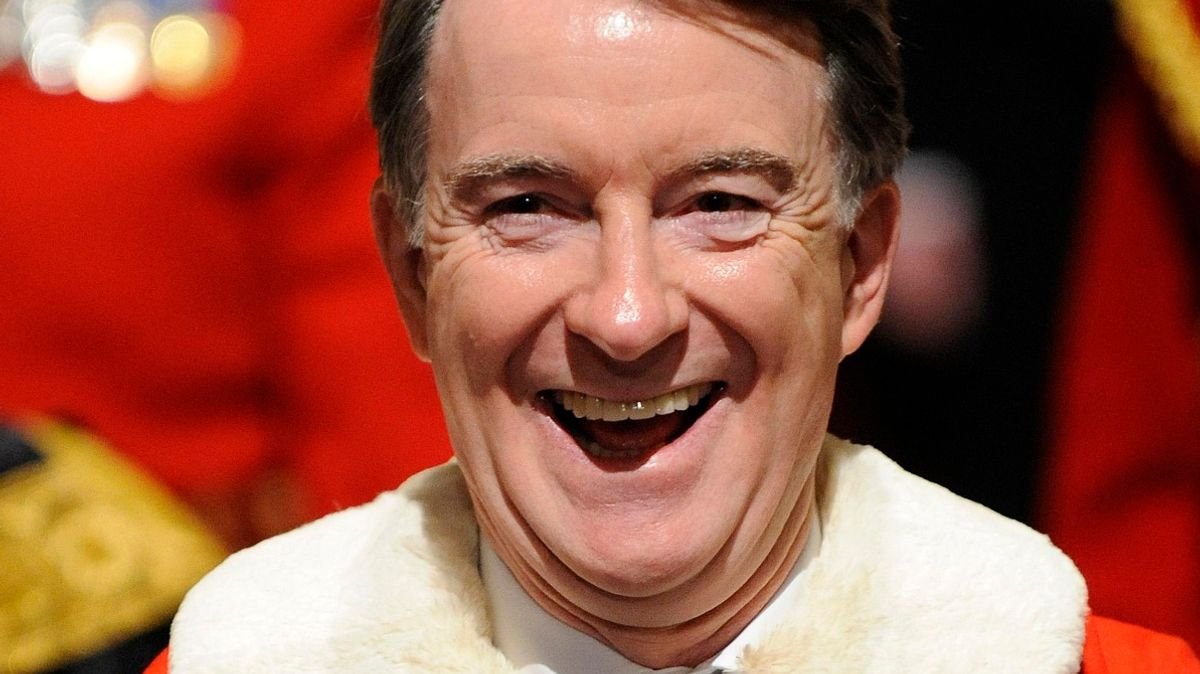

In the recent parliamentary session, Keir Starmer faced criticism for invoking a common phrase traditionally used by the British Establishment to block the release of sensitive Downing Street documents related to Peter Mandelson’s Washington appointment. Despite initial resistance citing national security concerns, pressure from within the Labour party led to a reversal of the decision. However, the documents remain withheld under the pretext of not prejudicing an ongoing police investigation.
The situation has sparked comparisons to how individuals outside the political elite would face scrutiny and potential legal action under similar circumstances. The opacity surrounding powerful figures, such as Mandelson and Prince Andrew, raises questions about accountability and transparency. Rules safeguarding royals from investigation, including the secrecy of government files for over a century, highlight the challenges in seeking the truth behind controversial matters.
Calls for a comprehensive accountability law, akin to the proposed Hillsborough Law, have intensified in light of these events. The need for transparency and honesty from public officials is emphasized, especially in cases where national security concerns are invoked to withhold information. The push for legislative measures to ensure accountability and prevent cover-ups is gaining momentum in response to ongoing controversies.
The ongoing scandals involving notable figures like Mandelson and Prince Andrew underscore the urgency for robust laws that prioritize truth and integrity in public service. As debates continue on the necessity of stringent legislation like the Hillsborough Law, the public demands greater transparency and accountability from those in positions of power.