

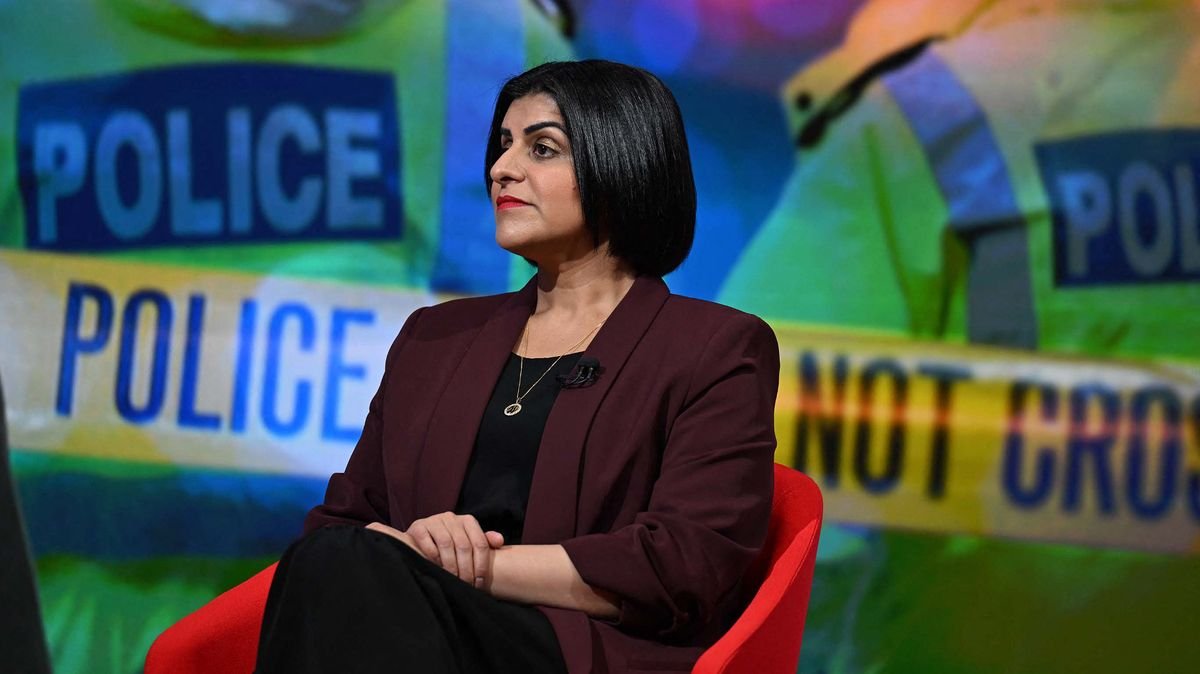

Labour’s success in maintaining power hinges on Shabana Mahmood’s performance. The Home Secretary is under significant pressure, with Keir Starmer placing high expectations on her. Since assuming office in September, Mahmood has proposed controversial changes to the UK’s asylum and migration policies. Now, she is shifting her focus to policing, aiming to modernize a system she deems outdated.
Facing challenging poll numbers and the Home Office’s association with contentious issues, Mahmood is taking bold steps rather than taking a cautious approach. In a recent parliamentary session, she unveiled what was anticipated to be the most extensive overhaul of British policing in two centuries.
The proposed reforms, including the establishment of a ‘British FBI,’ widespread implementation of AI, set response times, and a reduction in the number of police forces, mark a significant transformation according to Mahmood. She emphasized that these changes represent a fundamental shift in how policing operates in the country, addressing outdated structures and accountability mechanisms.
The move towards fewer police forces and enhanced efficiency has garnered support from the National Police Chiefs Council (NPCC), which advocated for consolidating the existing 43 forces into around 12 mega-forces. NPCC Chairman Gavin Stephens welcomed the changes, highlighting the importance of centralizing decision-making and streamlining the adoption of new technologies across law enforcement agencies.
By initiating these reforms, Labour aims to address public concerns over anti-social behavior and the perceived decline in neighborhood policing. Mahmood’s proactive approach signals a commitment to delivering tangible improvements in law enforcement and enhancing the overall quality of life for citizens.