

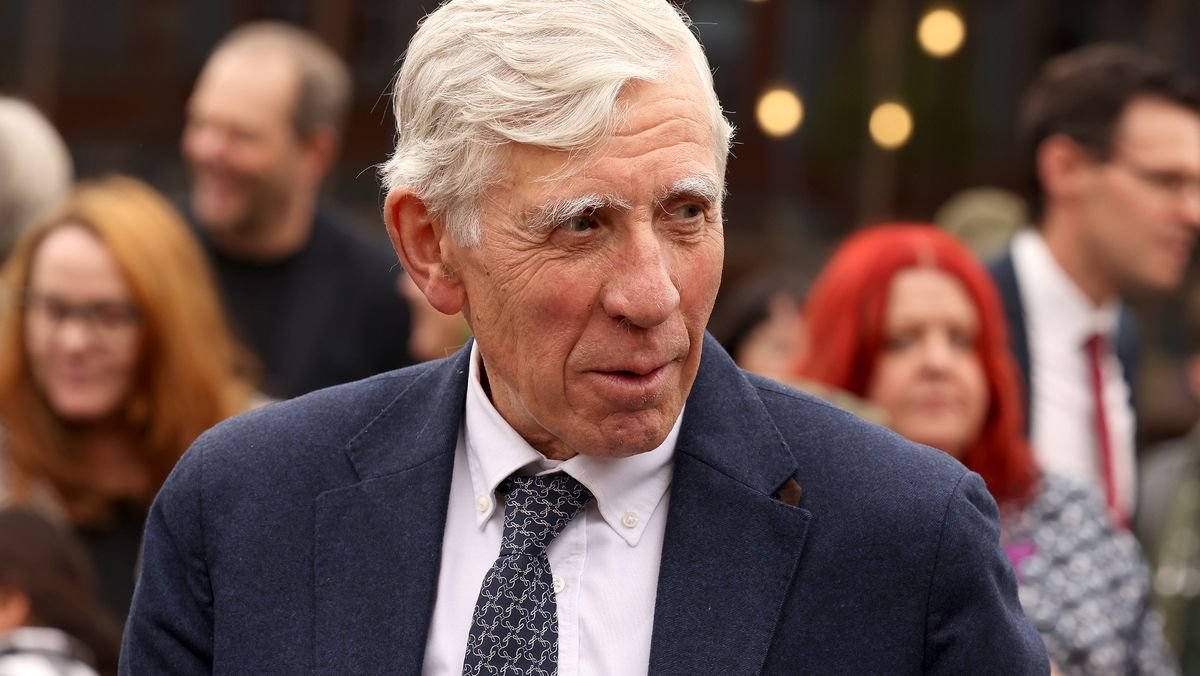

After being appointed as Foreign Secretary shortly before the tragic events of September 11, 2001, I witnessed the profound impact of Al Qaeda’s terrorism on the United States. The aftermath of the attack prompted President George W. Bush to take decisive actions to prevent such atrocities in the future. Despite facing challenges, Tony Blair successfully advocated for international cooperation through the United Nations, particularly in addressing issues related to Afghanistan and Iraq.
Dealing with the Bush administration was not without its difficulties, but compared to the challenges posed by the current administration, it pales in comparison. Keir Starmer’s handling of the Trump administration has been commendable, surpassing the expectations of many within British politics.
Recently, Prime Minister Boris Johnson faces a new challenge from President Trump, who announced the withdrawal of the United States from 66 international agencies deemed to be against American interests. This decision includes prominent organizations like the UN Framework Convention on Climate Change and UN Women, raising concerns about the impact on global initiatives and cooperation.
President Trump’s actions are seen as part of an isolationist agenda, echoing historical sentiments in the US. The move to disengage from international agencies has drawn parallels to past decisions that hindered global collaboration, reinforcing the importance of institutions like the United Nations in preventing conflicts.
Reflecting on past diplomatic efforts, including engagements with Iran post-9/11, highlights the complexities of international relations. While navigating interactions with different governments, it becomes evident that understanding and cooperation are essential in addressing global challenges.
As the world observes shifts in global dynamics, the consequences of isolationist policies and unilateral actions remain uncertain. The ongoing turmoil in various regions underscores the need for continued dialogue and engagement to promote peace and stability on a global scale.
Personal reflections on political experiences, like interactions with Iran and the evolving geopolitical landscape, serve as reminders of the intricate nature of international affairs. As we navigate uncertainties and complexities, the lessons learned from past diplomatic endeavors must guide future actions towards fostering cooperation and understanding among nations.