

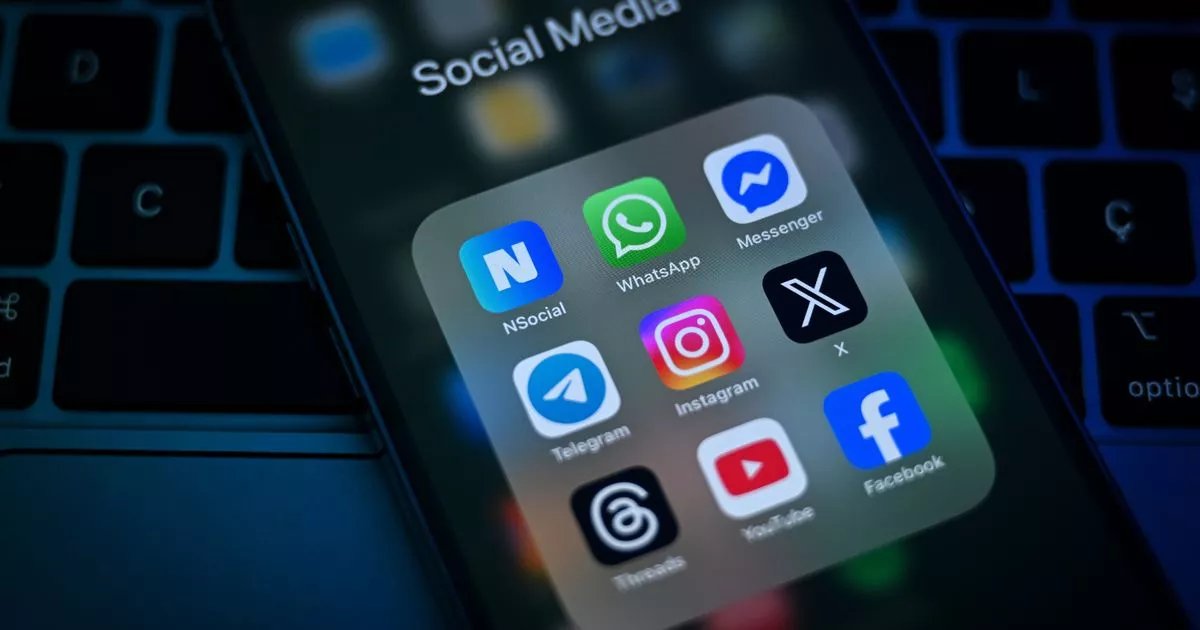

A recent scheme aimed at users of WhatsApp poses a threat of hackers gaining unauthorized access to sensitive information. With the ongoing proliferation of new scams and cybersecurity risks, the significance of maintaining online safety by avoiding suspicious links and refraining from downloading unfamiliar software is well-understood by most individuals.
However, scammers and cybercriminals are continuously evolving their tactics, making it challenging to identify fraudulent messages or emails without prior awareness. A newly emerged scam known as the “ghost pairing scam” is currently impacting WhatsApp users, emphasizing the need for heightened vigilance regarding received messages on the app.
A social media user named Caroline raised awareness about this scam via a video shared on TikTok, cautioning viewers about the potential risks of falling victim to this deceptive ploy, which could grant hackers remote access to personal data.
Detailing the modus operandi of the scam, Caroline explained, “The unsuspecting user receives a seemingly authentic message purportedly from WhatsApp, indicating a security threat to their account or requesting account verification for safety. Alternatively, the message may appear to be from a known contact in the user’s list, claiming to have sent a code in error and asking for its return.”
She further clarified, “The underlying mechanism involves exploiting WhatsApp’s feature that enables linking accounts to other devices, such as laptops. By forwarding the received code as instructed, the user unwittingly links their account to the scammer’s device.”
Once unauthorized access is granted to the user’s WhatsApp account, the perpetrator can intercept messages, view shared media, and send messages on behalf of the user, potentially deceiving other contacts by masquerading as the user and perpetuating the scam.
Adding to the complexity, the pairing scam does not immediately log the user out of their own WhatsApp account, and the app continues to operate “normally” on the user’s device, thereby concealing the compromise of the account.
Fortunately, preventive measures can be taken to avoid falling prey to such scams. It is crucial to refrain from sharing any WhatsApp code with others.
WhatsApp never solicits users for code submission via text messages. Should a contact request a code purportedly sent by them, users should advise them to resend it to their own number and refrain from responding to such requests.
Users can also verify their linked devices through the app settings. On an Android device, accessing Linked Devices can be done by selecting the three dots