

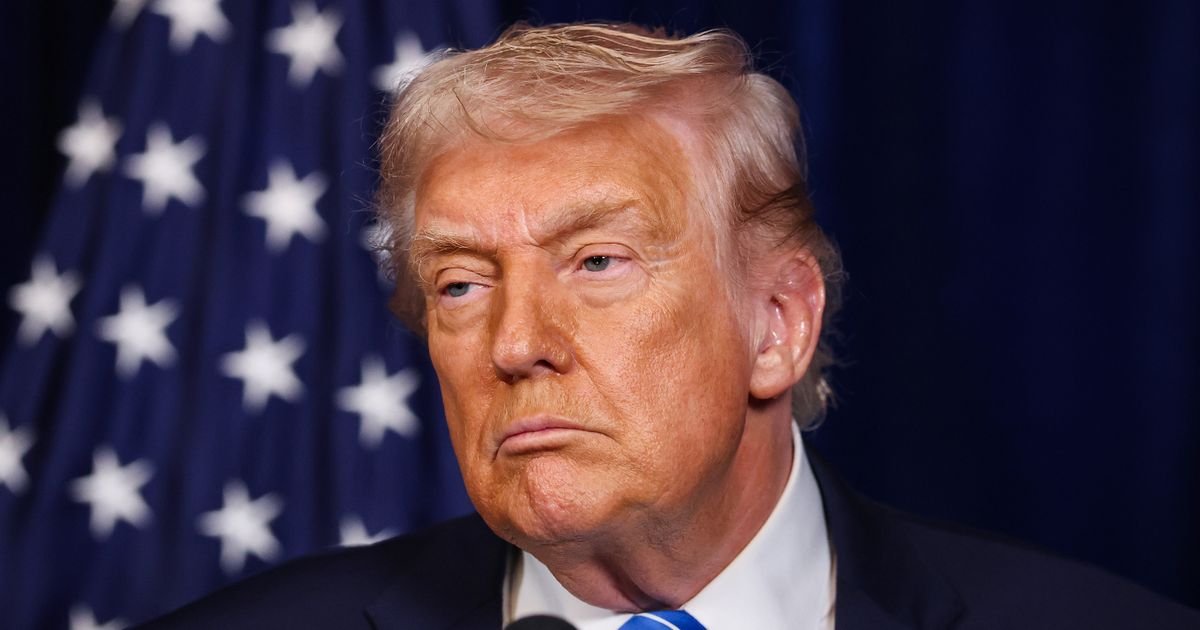

The United States has conducted a targeted strike on a facility in Venezuela, as confirmed by President Donald Trump. Trump mentioned on his WAB radio show that the strike took out a significant plant where ships arrive, but did not provide further specifics. He emphasized the impact of the strike, stating, “Two nights ago, we knocked that out. So we hit them very hard.”
This action is part of Trump’s ongoing pressure campaign on Venezuela’s leader, Nicolás Maduro, which has been ongoing for four months. Trump previously warned Maduro of further escalation in response to his government’s activities, particularly related to illegal drug trafficking. Trump stated, “If he wants to do something, if he plays tough, it’ll be the last time he’ll ever be able to play tough.”
As part of this pressure campaign, the US has also seized oil tankers belonging to Venezuela. Recently, Venezuela’s parliament passed a measure criminalizing actions that impede navigation and commerce in the country, such as tanker seizures. This legislative move followed the US seizure of two Venezuelan oil tankers in international waters, which were deemed to be evading economic sanctions.
Venezuela has criticized the US for its actions, citing violations of international law. While some countries, like Panama and Argentina, have supported the US actions, there have been concerns raised by many about respecting international maritime law and upholding the principles of the United Nations Charter, which advocate for respecting the sovereignty of all nations.
Despite international scrutiny, some political figures, including Nobel Peace laureate María Corina Machado, have backed Trump’s approach towards Venezuela, including the seizure of tankers. Both Machado and Trump have expressed confidence that Maduro’s grip on power is weakening.
Maduro, who was indicted in the US in 2020 on narcoterrorism charges and linked to the Cartel de los Soles, has faced accusations of involvement in illicit activities dating back to the 1990s. The term “Cartel de los Soles” originated to describe military officials profiting from drug trafficking, which later expanded to include other government entities involved in illegal activities like mining and fuel smuggling.