

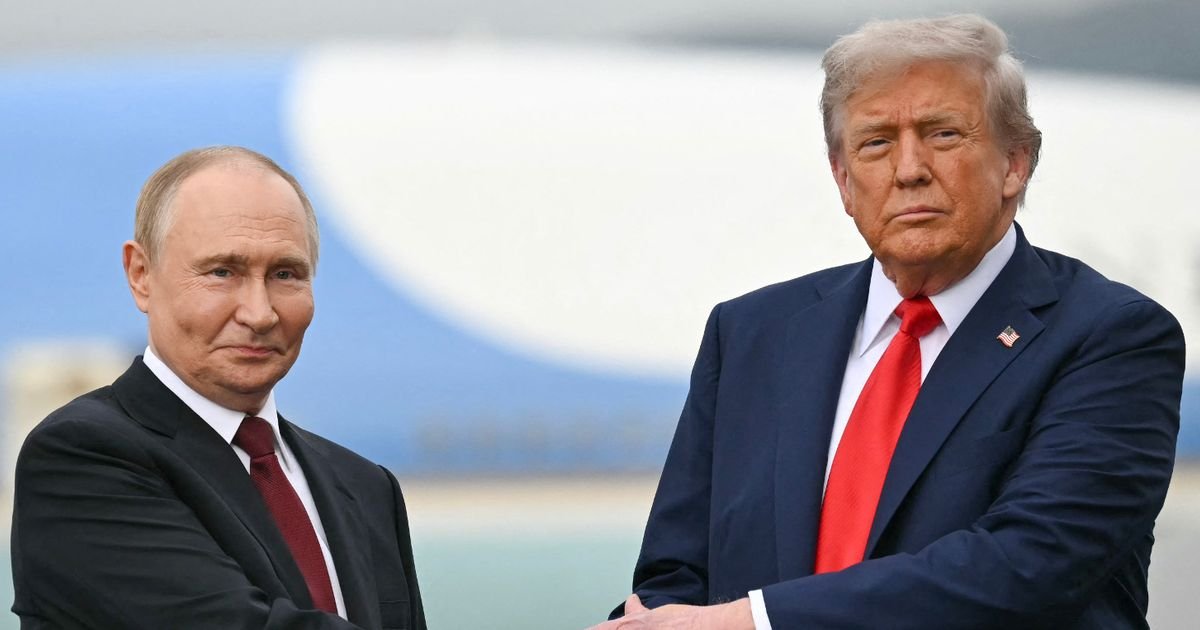

In a significant turn of events, Donald Trump has aligned himself with Russian leader Vladimir Putin, going against the interests of key European nations, including Britain, France, Germany, and Europe as a whole, as well as the invaded nation of Ukraine. This highlights the growing concern that the US President may not be a reliable ally.
Trump’s actions have raised doubts about his commitment to liberal democracies and freedom, both internationally and domestically. His confrontational stance towards NATO allies and his divisive policies have strained relationships with traditional US partners. His disparaging remarks about Europe reveal deep-rooted biases that echo white supremacist sentiments.
The Trump administration’s National Security Strategy, which has garnered praise from the Kremlin, underscores a concerning shift in global dynamics. The President’s support for movements aiming to disrupt the European Union, post-Brexit, plays into the hands of Putin and threatens to empower Trump further.
For the UK, heavily reliant on its “special relationship” with the US, the implications are profound. With uncertainties surrounding US leadership and the potential for future hostile administrations, rejoining the EU emerges as a strategic move towards stability and prosperity. Labour’s stance on Brexit and its commitment to reunite with European partners reflect a growing sentiment among the British public.
As internal political dynamics in the UK evolve, discussions around potential leadership changes within the Labour Party intensify. Speculations on successors to Keir Starmer highlight the shifting landscape of British politics. The party’s future direction, particularly regarding EU relations, will play a crucial role in shaping its electoral prospects.
The debate over educational opportunities for working-class youth resurfaces, with contrasting views on the value of vocational training versus university education. Advocates stress the transformative impact of higher education, cautioning against undermining its importance in society. Recent policy shifts, such as those on electric vehicle mandates, signal broader ideological changes within the government.
Efforts to address societal challenges, such as enhancing police response to sexual offenses and debunking misinformation about crime rates, remain at the forefront of public discourse. Calls for accountability and transparency in governance underscore the need for effective policies to safeguard vulnerable populations and uphold the rule of law.
In a complex political landscape marked by shifting alliances and ideological debates, the UK faces critical decisions that will shape its future trajectory. As global dynamics continue to evolve, navigating these challenges requires a nuanced understanding of domestic and international dynamics to ensure a prosperous and secure future for all citizens.