

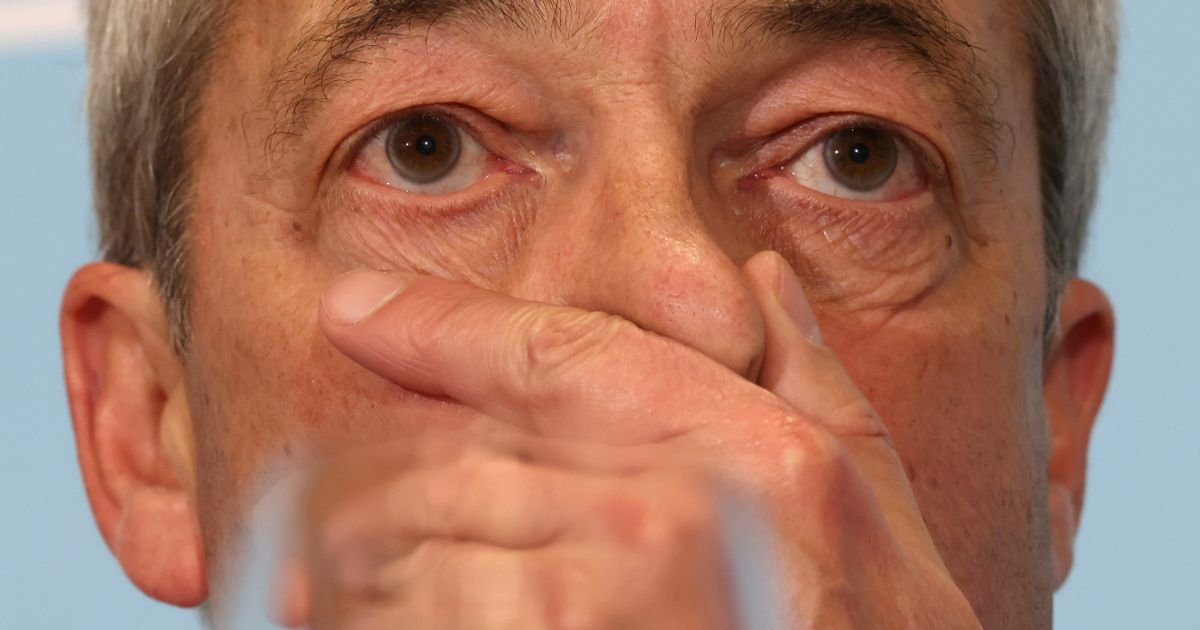

This week, alongside the release of the Budget by the government, serious allegations have surfaced concerning Nigel Farage. Former classmates of Farage have come forward, claiming that he frequently made offensive antisemitic and racist remarks during his time at Dulwich College. The language he allegedly used was described as highly inappropriate.
In response to these accusations, Farage, leader of Reform, shockingly downplayed the allegations when questioned by journalists, dismissing them as mere playground banter. Such a response from a political figure is not only dismissive but also alarming.
Having previously chaired the Jewish Labour Movement before entering Parliament, I worked closely with Keir Starmer to combat antisemitism within the Labour Party and restore its electability. This ongoing mission to tackle racism, including antisemitism, remains crucial in our society today.
While no single entity can be solely blamed for the rise in antisemitism and racism, it is essential to recognize the impact of influential figures like Farage. Public figures must be mindful of their language as it can have real-world consequences, contributing to societal divisions and fostering fear among minority communities.
Keir Starmer recently visited a synagogue to listen to students recount their experiences of antisemitism and the challenges they face. This gesture highlights the importance of understanding and addressing the impact of divisive rhetoric on individuals and communities affected by discrimination.
The Budget announcement included provisions of over £1.5 billion to support young individuals in securing employment or pursuing further education. Labour’s commitment to the ‘Youth Guarantee’ scheme, offering paid work placements to eligible 18- to 21-year-olds, and making apprenticeship training free for under-25s at small and medium enterprises, demonstrates a dedication to empowering the youth and combating unemployment.
In contrast, Nigel Farage’s former associate, Nathan Gill, has been implicated in accepting pro-Russia bribes, aligning with Farage’s tendencies towards pro-Putin sentiments. Farage’s association with individuals involved in such activities raises concerns about the integrity of his party members.
As the political landscape unfolds, it is imperative for leaders to prioritize unity and constructive dialogue over divisive tactics. Despite personal preferences and affiliations, the focus should remain on advancing the common good and fostering a cohesive society.