

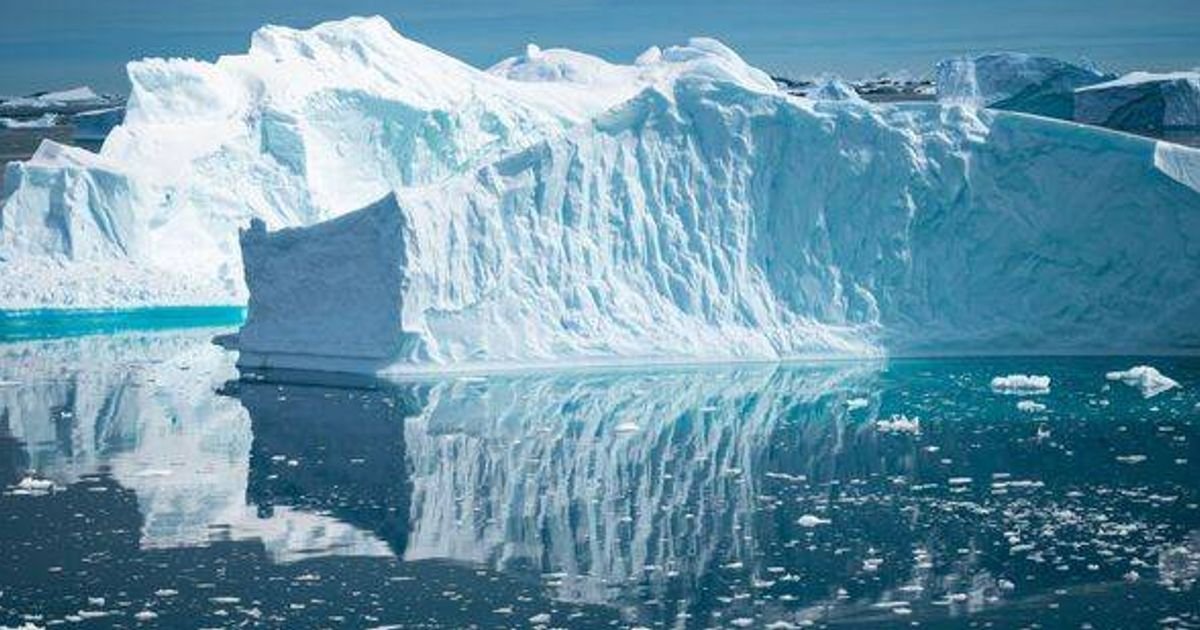

In the realm of exploration, Antarctica has long been a fascination for adventurers, explorers, and scientists, drawing them to its icy terrain year after year. The urgency of these expeditions has heightened due to the impact of climate change and rising sea levels on the southern ice cap. However, these ventures into the vast icy expanse are not without risks, as evidenced by a recent incident involving a lost submarine named Ran.
Deployed by Professor Anna Wahlin from the University of Gothenburg to study the Dotson Ice Shelf in West Antarctica, the unmanned submarine Ran disappeared during a mission that aimed to investigate the melting patterns of the ice shelf caused by underlying ocean currents. Despite successfully completing multiple missions under the ice in 2022, Ran failed to resurface on its final dive.
Professor Wahlin expressed her emotional attachment to the submarine, describing the tension of watching Ran carry out its tasks deep below the ice for extended periods. Efforts to locate Ran were unsuccessful, leaving the research team puzzled about the submarine’s fate, speculating whether mechanical issues or a collision led to its disappearance.
Although Ran was lost during the mission, the data it collected provided valuable insights into the interactions between ice and ocean dynamics in the region. The Dotson Ice Shelf remains a focal point for research, alongside the Antarctic Circumpolar Current (ACC), which has been flagged for weakening by studies from the University of Bonn. Concerns have been raised about the potential global repercussions of a weakened ACC, including impacts on climate variability and accelerated global warming.
The loss of Ran underscores the challenges and uncertainties faced by researchers exploring the mysteries of Antarctica and its surrounding waters.