


Labour has defended its decision to increase taxes on online gambling, emphasizing that it is not aimed at dampening the enjoyment of the activity. Dan Tomlinson, the Exchequer Secretary, dismissed criticisms of the tax hikes on remote gambling, which are projected to boost government revenue by an additional £1.1 billion by 2029/30. In the recent Budget announcement, Chancellor Rachel Reeves targeted online betting to address problem gambling, with the remote gambling duty set to rise from 21% to 40% starting in April 2026.
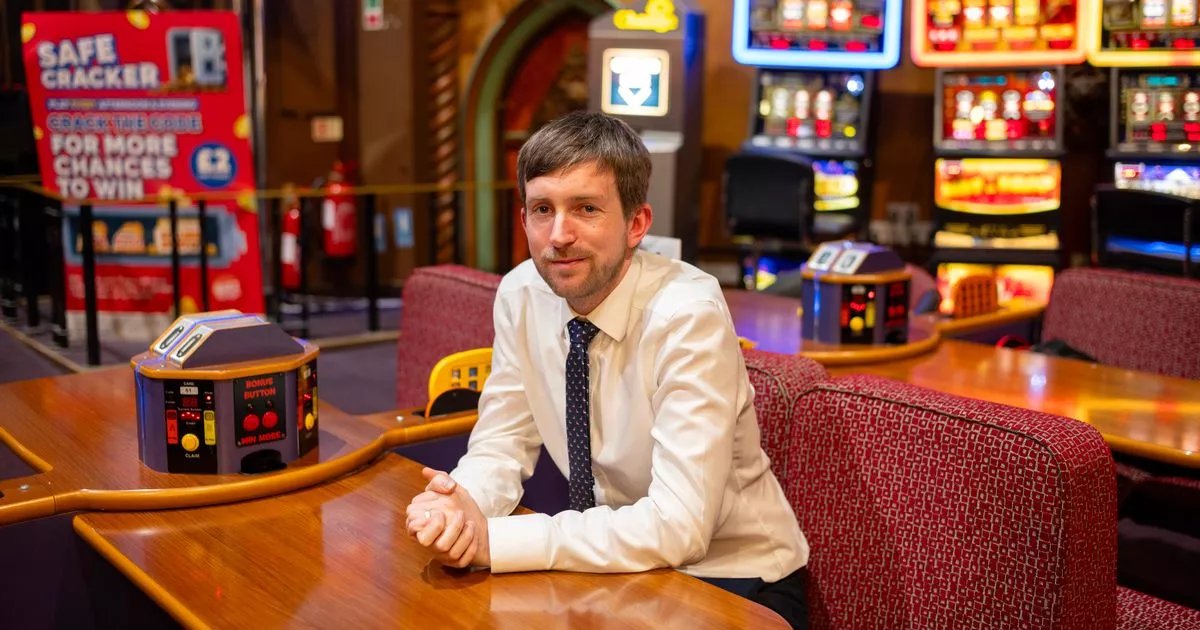
While the tax increases exclude horse racing, bingo halls received a positive boost as the government eliminated the 10% duty on the game. During a visit to BuzzBingo in Tooting, Mr. Tomlinson highlighted the social benefits of bingo, describing it as a safe and harmless form of gambling that fosters community engagement.
Addressing concerns about targeting fun, Mr. Tomlinson emphasized the government’s efforts to support recreational activities, such as abolishing bingo duty, safeguarding horse racing, and freezing fuel duty to help families manage costs during the festive season. Additionally, a forthcoming reduction in energy bills and an increase to the minimum wage were cited as measures to boost consumer spending and support local economies.
Acknowledging the role of activities like bingo in combating loneliness, Mr. Tomlinson recognized the importance of these forms of entertainment for older individuals living alone. Despite the tax relief provided, bingo operators still face challenges due to escalating costs and industry competition, resulting in a decline in the number of bingo halls in recent years.
In response to concerns about business rates, Mr. Tomlinson reassured businesses of extensive support, including capping bill increases for most businesses and allocating over £4 billion to assist those facing significant hikes in their rates. Efforts are underway to rebalance the tax system by reducing rates for high street properties while imposing higher taxes on online retail giants with significant warehouse operations.
The government’s commitment to engaging with local businesses and addressing their concerns was highlighted, particularly in the context of supporting high streets, pubs, and the hospitality sector. Labour MPs have advocated for measures to bolster local businesses, and the Budget includes provisions to shield many businesses from substantial increases in their valuations, underscoring the government’s support for the sector.