

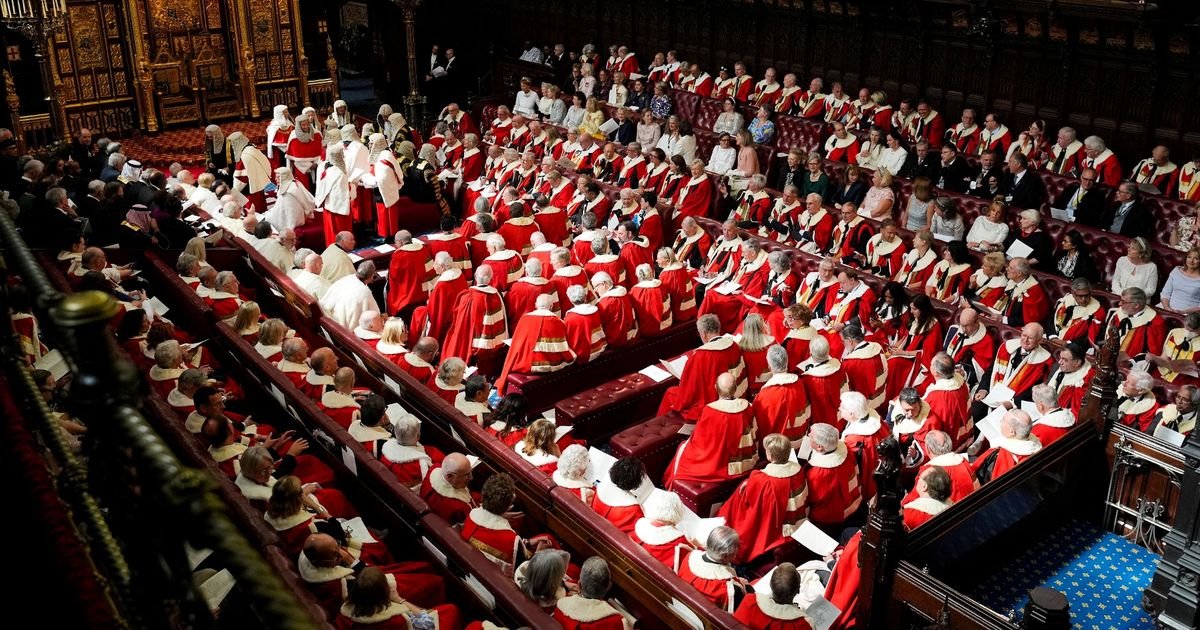

Keir Starmer has designated over twenty new peers to bolster Labour’s representation in the House of Lords. The list includes Richard Walker, the Iceland executive who switched allegiance from the Tories to Labour, as well as former No10 communications chief Matthew Doyle and Rachel Reeves’ former chief of staff, Katie Martin. Also among the appointees are long-time Labour aide Carol Linforth and Andy Roe, the chair of the national Building Safety Regulator.
In addition to these nominations, Starmer has put forward Joe Docherty, chair of Northern Powergrid Foundation, Nick Forbes, chair of the Breaking Down Barriers Commission, and Cllr. Dr Sara Hyde, the Fabian Society’s chair. Sir Michael Barber, who previously served in Tony Blair’s government, is also on the list. Despite these appointments, the Conservatives remain the dominant party in the House of Lords. Starmer has named a total of 62 peers since taking office, compared to David Cameron’s 122 appointments over a two-year period.
A Labour source emphasized the need to address the imbalance created by the Tories in the House of Lords, which has hindered Labour’s efforts to support working families. The source highlighted ongoing reform efforts, including plans to remove hereditary peers’ voting rights in the Lords.
On the Tory side, Kemi Badenoch nominated figures such as Olympic swimmer Sharron Davies, historian Simon Heffer, and former minister Sir John Redwood. Liberal Democrat leader Sir Ed Davey made five nominations, including two Lib Dem hereditary peers.
Last December, Starmer appointed 30 new Labour peers, including Sue Gray and several former MPs. Among these appointments was Carwyn Jones, former Welsh first minister, along with ex-MPs Thangam Debbonaire, Luciana Berger, Lyn Brown, Kevin Brennan, Steve McCabe, and Julie Elliott.
The new peers list also includes individuals like Dame Ann Limb, Brenda Dacres, and David Pitt-Watson from various professional backgrounds. With these appointments, the political landscape in the House of Lords continues to evolve, reflecting diverse expertise and experiences among the newly appointed members.