

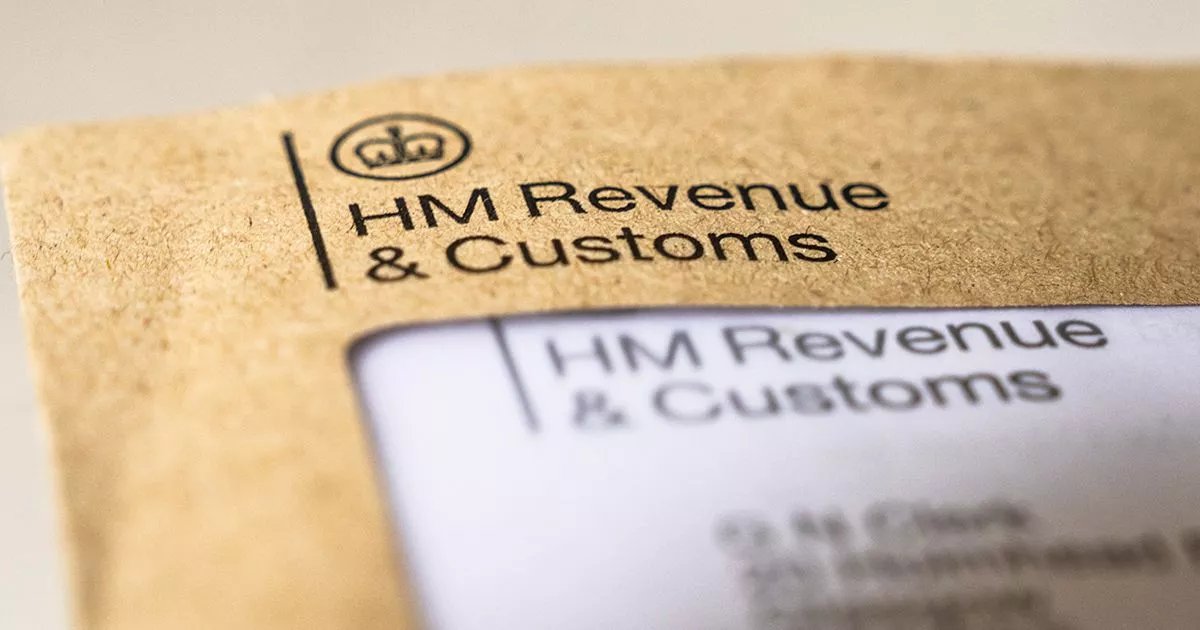

HMRC is set to eliminate paper letters for millions of taxpayers starting in April next year as part of its digital transition initiative. This move aims to achieve annual savings of £50 million by 2028/29.
In the recent Budget announcement, HMRC confirmed the gradual phasing out of paper communications, with the transition scheduled to commence in April 2026. Going forward, taxpayers will receive digital correspondence through their online HMRC account or the HMRC app. However, individuals without internet access or facing difficulties with digital services will continue to receive paper letters, and HMRC’s phone lines will remain operational.
Taxpayers who prefer paper letters can opt to continue receiving them. The initial groups affected will include individuals already using the HMRC app, online Personal Tax Account (PTA), or Business Tax Account (BTA).
HMRC will prompt individuals to verify their contact details when the rollout begins, as letters are typically sent for various reasons, such as changes in tax codes or the need to register for self-assessment.
Additionally, HMRC has begun issuing letters to sole traders and landlords with qualifying income over £50,000, informing them of the requirement to submit quarterly updates using HMRC-approved software if their turnover exceeds £50,000 from self-employment or property income.
While the rollout is scheduled for April 2026, HMRC advises people to prepare for the transition promptly. Taxpayers will need suitable software, with both free and paid options available. The software will provide real-time tax bill estimates, aiding in cash flow planning and preventing surprises in January.
HMRC emphasizes the importance of finding software that suits individual business needs, especially for those already using accounting software or spreadsheets. The Making Tax Digital director, Craig Ogilvie, highlights the benefits of spreading tax administration tasks throughout the year, rather than rushing in January to complete Self Assessment returns. Free software options are available, and early user feedback indicates that the system is user-friendly once individuals become familiar with it.