

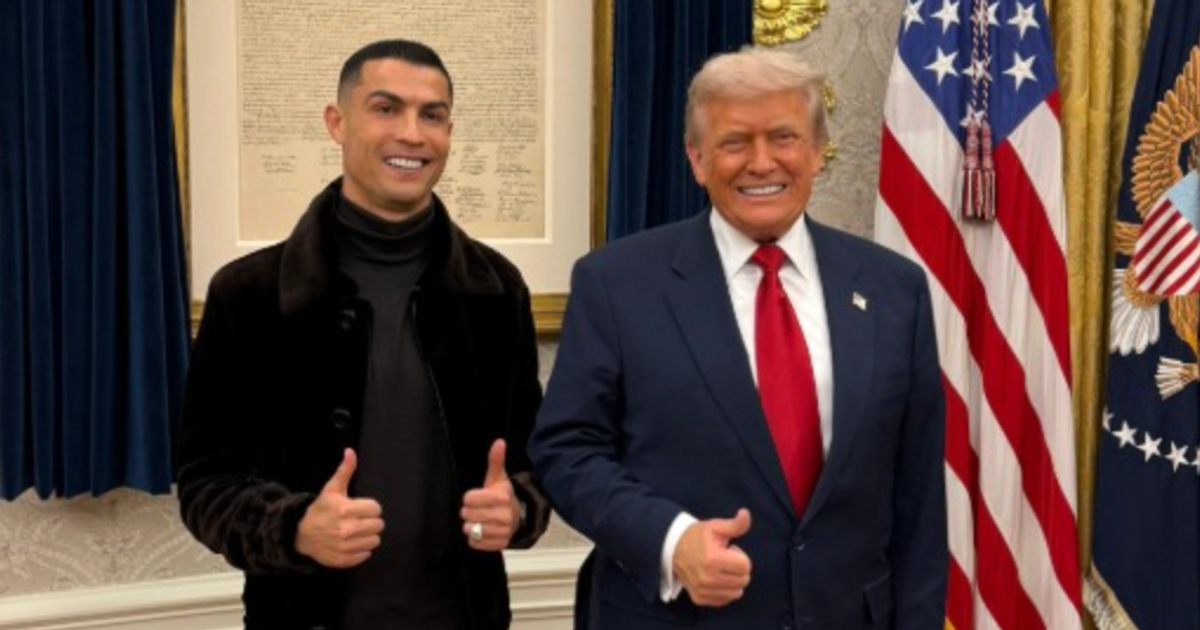

Cristiano Ronaldo’s recent White House visit seems to have had a significant impact on his World Cup fate. Following a three-match ban for his dismissal against Republic of Ireland, a FIFA disciplinary committee, after his meeting with President Donald Trump, decided to impose the ban but suspended the final two games, allowing Ronaldo to be eligible from the tournament’s start next year.
This move by FIFA has raised eyebrows, with some questioning the decision to grant leniency to a high-profile player like Ronaldo, known for drawing huge crowds. The controversy surrounding his ban reduction has sparked differing opinions among pundits Andy Dunn and John Cross, each offering contrasting views on the matter.
Ronaldo’s suspension stemmed from an incident involving an elbow on an opponent during the Republic of Ireland match, leading to his initial one-game suspension against Armenia. While FIFA cited a probationary rule for the suspended games, such leniency is not commonly seen in similar cases, as highlighted by the upcoming absence of players like Nicolas Otamendi and Moises Caicedo in their respective opening World Cup matches due to prior red card offenses.
The timing of Ronaldo’s White House selfie with Gianni Infantino, followed by the ban reduction, has stirred discussions about FIFA’s handling of the situation. Despite arguments about the favoritism shown towards Ronaldo, his pivotal role in the Portuguese national team cannot be overlooked. The decision to allow Ronaldo’s participation in the World Cup opener has drawn attention to FIFA’s motives in ensuring star players feature prominently in the tournament, setting a unique precedent that has sparked debates within the football community.