

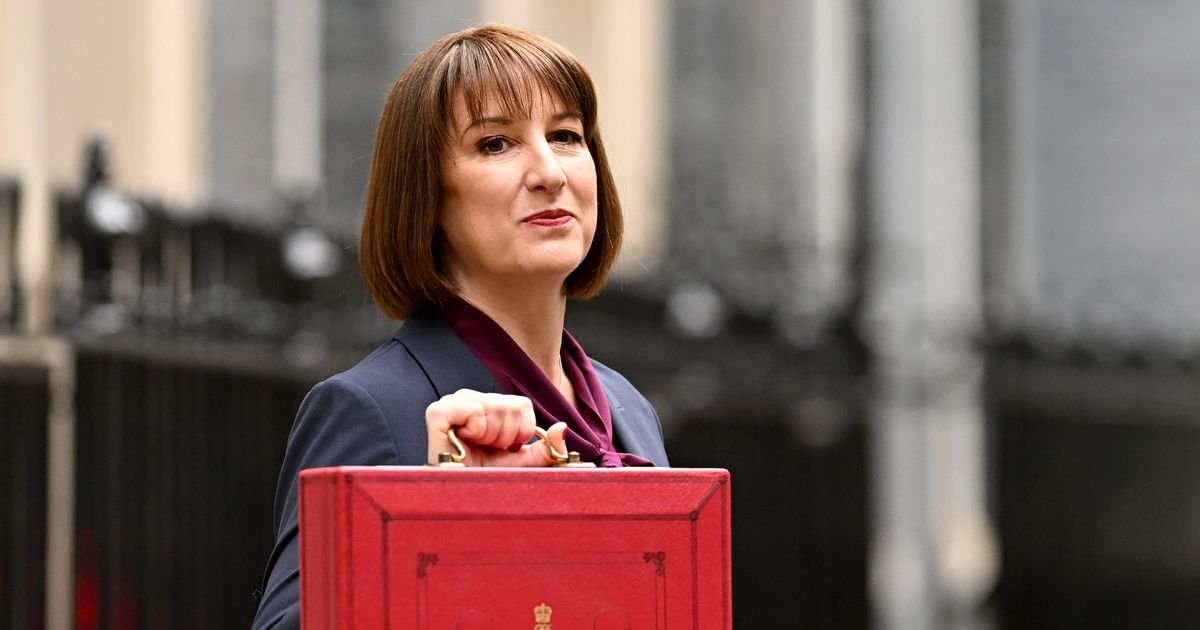

Chancellor Rachel Reeves is gearing up to present a crucial Budget next week, faced with the challenge of addressing a significant deficit in public finances. Recent indications suggest potential tax increases on the horizon as Reeves aims to navigate the financial constraints while adhering to spending guidelines.
Previously unthinkable scenarios, such as breaching Labour’s pledge against raising income tax, were being contemplated by Reeves and Keir Starmer. However, improved forecasts from the Office for Budget Responsibility have somewhat eased the financial burden, reducing the projected shortfall to around £20 billion, a more optimistic outlook compared to earlier estimations.
In anticipation of the upcoming Budget announcement on November 26, various measures are being considered. While Labour’s manifesto vowed no hikes on VAT, national insurance, or income tax for working individuals, there were deliberations regarding potential adjustments to income tax thresholds. Nevertheless, recent developments have seen plans for income tax alterations put on hold following the more positive fiscal forecasts.
Reeves is exploring the extension of the freeze on income tax thresholds, potentially impacting more taxpayers with higher rates as their earnings increase. Additionally, discussions include possible revisions to the minimum wage, with proposals to raise it to approximately £12.70 from April 2026, a move that could benefit millions of workers.
Addressing concerns over the cost of living, initiatives to reduce energy bills are being weighed. Suggestions to eliminate VAT on energy bills, potentially saving consumers around £80 annually, are being considered. Moreover, there are discussions about ending the two-child benefit limit to alleviate financial pressures on families and uplift children out of poverty.
Furthermore, potential changes to gambling taxes are being scrutinized, with proposals to generate revenue for social welfare programs. Reeves is also expected to announce adjustments to state pensions, including a likely increase in line with earnings growth, thereby enhancing financial support for pensioners.
In a bid to boost government revenues, discussions include the introduction of a cap on pension contributions through salary sacrifice schemes, potentially affecting retirement savings for individuals. Moreover, considerations for new property taxes and adjustments to duties on tobacco and alcohol products are under review.
While the Budget announcement may not encompass all proposed measures, it is anticipated to provide insights into the government’s economic strategies and fiscal policies moving forward.