

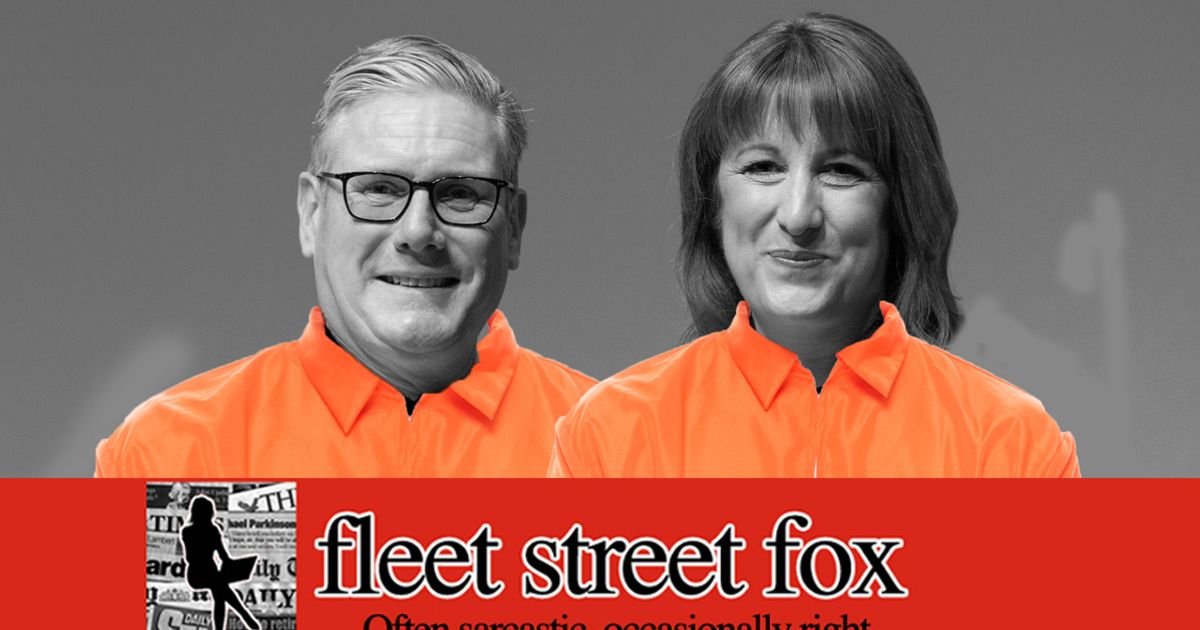

As the Budget approaches this Wednesday, the anticipation and unease are not limited to the wealthy. Ordinary individuals like you and me are apprehensive about Chancellor Rachel Reeves’ upcoming address at the Despatch Box.
The Budget presentation is not expected to be a thrilling spectacle. Anticipated are tax hikes, economic challenges, budget constraints, financial maneuvers, and political maneuvers. Chancellor Reeves’ handling of the situation has been criticized, drawing comparisons to a novice groundskeeper at Accrington Stanley.
Despite months of deliberation and strategic leaks to gauge public and market reactions, there remains uncertainty about the budget’s specifics. The focus seems to be on trivial matters like the Chancellor’s hair color rather than substantive policy decisions, reflecting a lack of clear direction.
While the public is concerned about rising living costs, the government’s priorities seem to revolve around financial institutions, market sentiments, and political gains. The disconnect between the government’s agenda and the public’s needs is evident, with little room for substantial change in the economic landscape.
With limitations on borrowing and spending, the government finds itself in a precarious position. Radical reforms are off the table, leaving both policymakers and critics scrambling to portray minor adjustments as significant changes.
The upcoming Budget is unlikely to bring about any substantial transformations. The prevailing economic challenges, job losses, technological advancements, and global uncertainties paint a grim picture for the electorate craving meaningful change.
The current administration led by Keir Starmer is perceived as a response to past Tory governments rather than a proactive choice. Despite promises of change, the government’s actions have failed to address fundamental issues faced by the population.
Labor’s prospects might have been brighter if they had won in 2029, with potential for resolving ongoing crises and reshaping economic policies. However, unforeseen events like the pandemic, political scandals, and economic setbacks have hindered their progress.
As the Budget day approaches, the public remains skeptical about the government’s ability to steer the country in the right direction. The lackluster performance of the current leadership and a series of missteps have eroded confidence in their governing capabilities.
In summary, the upcoming Budget is unlikely to bring about substantial changes, prolonging the uncertainty and dissatisfaction among the populace regarding the government’s effectiveness and future prospects.