

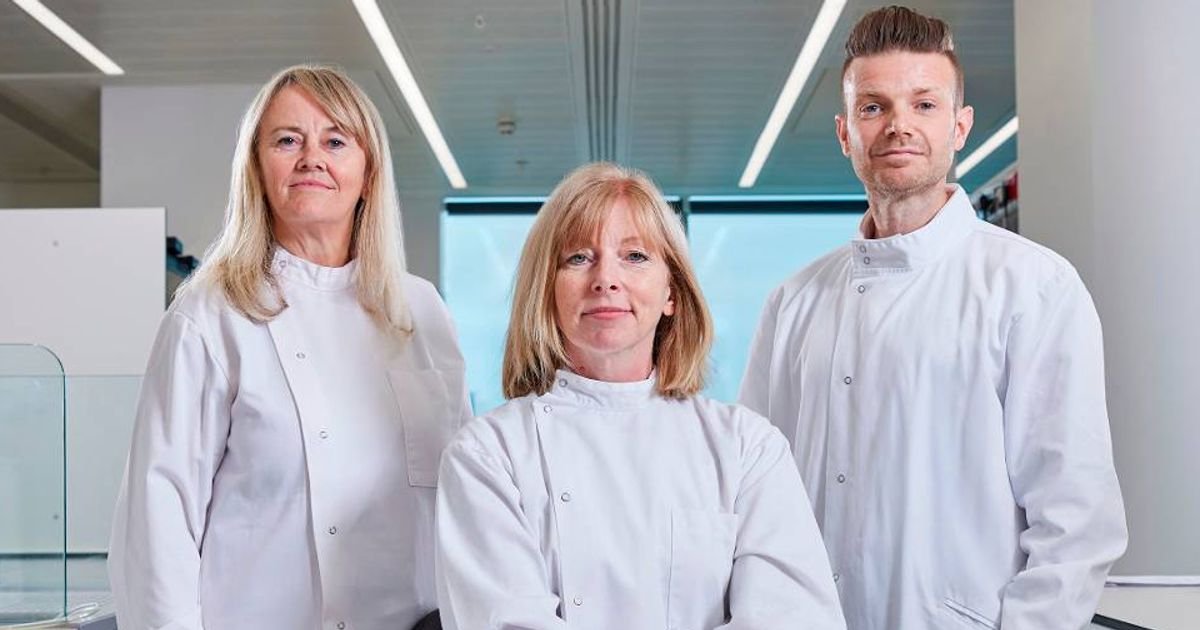

British scientists are making strides towards a groundbreaking cancer-preventing vaccine that could potentially be accessible in the next ten years. Clinical trials for a lung cancer preventive vaccine are scheduled to begin next year, with ongoing efforts to create vaccines targeting breast, ovarian, and bowel cancers.
The aim is to consolidate these vaccines into a single anti-cancer injection that could be administered at no cost to young individuals through the NHS during routine GP visits. This innovative vaccine has the potential to save approximately 3.6 million lives annually by thwarting the most fatal cancer types and potentially increasing the average human lifespan.
The initiative, led by medical researchers at the University of Oxford, has garnered support from various organizations including the NHS, Cancer Research UK, the CRIS Cancer Foundation in Spain, and prominent pharmaceutical companies.
Sarah Blagden, a clinician-scientist and professor of experimental oncology at the University of Oxford, shared significant advancements in vaccine development during the Channel 4 documentary series ‘Cancer Detectives: Finding the Cures.’ She envisions a future where a single vaccine could prevent most major cancers, drawing inspiration from existing vaccines like those for measles, mumps, rubella, whooping cough, and tetanus.
The project, utilizing rapid vaccine development techniques honed during the pandemic, is on the brink of introducing an anti-lung cancer vaccine to the global stage. Blagden emphasized the vaccine’s unique ability to target pre-cancerous cells and stimulate the immune system to eliminate them, potentially preventing cancer initiation.
The team’s ultimate goal is to combine various cancer-preventive vaccines into a single dose, significantly reducing cancer risks in the population. Blagden highlighted that this pioneering approach marks a paradigm shift in cancer treatment, emphasizing prevention over solely treating established cancer cases.
The researchers are focused on demonstrating the safety and efficacy of these vaccines, leveraging lessons learned from the COVID pandemic to expedite the process. Blagden emphasized the personal drive behind the project, rooted in the shared experiences of witnessing the devastating impact of cancer and the collective determination to combat the disease.
The team’s unwavering commitment, supported by cutting-edge technologies and collaborative efforts, signals a transformative opportunity to revolutionize cancer prevention on a global scale. The promising early results from experiments suggest a potential breakthrough in cancer prevention, signaling a bold message to cancer: “we’re coming for you.”