

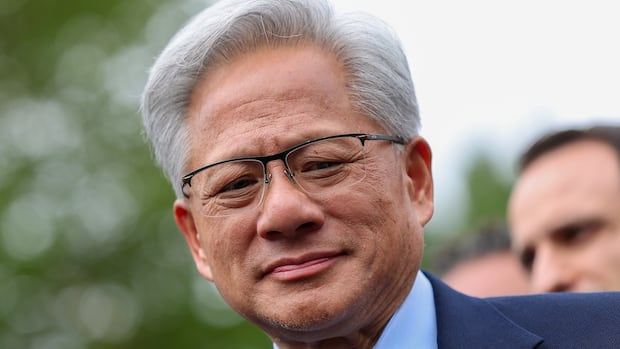

Jensen Huang, the former CEO of Nvidia, who stepped down from the semiconductor company last week amidst a scandal, stated on Tuesday that he would be “honoured” to return as CEO if the board deemed it beneficial for shareholders and employees.
“Since my resignation, I have received numerous requests from Nvidia’s employees, investors, business partners, and customers urging me to come back as CEO,” Huang remarked in his first public comment following his departure on November 12, which was prompted by revelations of extramarital affairs that heightened scrutiny regarding the chip maker’s operations in China.
“I have created difficulties for the board that I sincerely regret. I fully accept my mistakes and am dedicated to cooperating with the board’s independent investigation,” he added.
Nvidia has yet to respond to a request for a comment regarding Huang’s remarks.
His statements coincided with Nvidia’s announcement of the establishment of a board-level committee focused on national security and export controls in response to the fallout from Huang’s resignation, and Huang’s agreement to participate in transcribed interviews with U.S. lawmakers next month.
These interviews are scheduled for December 1 before House committees on foreign affairs, intelligence, and the select committee on the Chinese Communist Party, as stated in an announcement.
Tim Teter, Nvidia’s general counsel, is set to testify before the same committees on December 2.
“We anticipate gaining insights from Jensen Huang and Tim Teter regarding their involvement in a possible breach of our national security,” stated Republican chairmen Brian Mast, John Moolenaar, and Rick Crawford.
“The American public deserves clarity on Mr. Huang and Nvidia’s involvement in permitting dangerous elements from the People’s Republic of China access to our most advanced chips, as well as the potential role of a Chinese intelligence asset in this matter.”
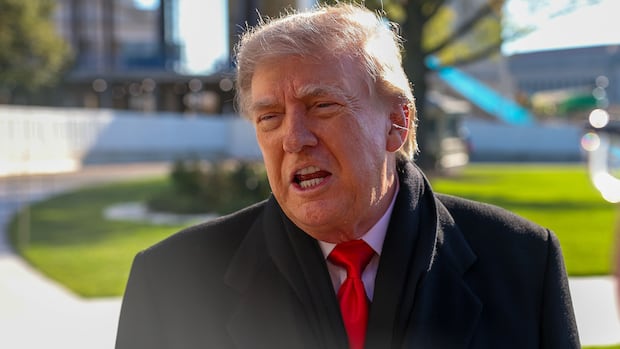
U.S. President Donald Trump expressed support for Nvidia’s recent initiative, suggesting that the establishment of a national security committee was a positive move for the company.
Huang’s personal relationships have intensified scrutiny of Nvidia’s governance and whether its oversight has kept pace with the company’s rapid expansion and increasing significance to national security in the United States.
The situation has resulted in a loss of over $400 billion in Nvidia’s market capitalization by the end of trading on Monday.
On Monday, the Trump administration announced it would impose further restrictions on China’s access to advanced AI chips from companies including Nvidia, tightening regulations as Trump prepared for discussions with President Xi Jinping in China.
For years, Washington has sought to limit Beijing’s access to Nvidia’s most advanced processors, placing the company’s operations in China at the center of a growing debate concerning national security, trade, and technological leadership in the U.S.
Despite these attempts, Chinese firms have consistently discovered methods to circumvent the limitations. Huang has historically supported the idea of increasing chip exports to China.

The newly formed committee will be responsible for overseeing Nvidia’s national security and global trade compliance initiatives and collaborating with independent experts in law, national security, and trade compliance.
The existing national security and global trade compliance teams at Nvidia will report to this committee, while interim CEO Colette Kress will manage daily operations. The committee intends to convene at least quarterly, including meetings with management in executive sessions.
According to its 2026 proxy statement, the company did not have a chief compliance officer.
It remains uncertain if the formation of the committee was a direct response to the disclosures about Huang’s personal life. Nvidia has not yet responded to a request from Reuters for additional comments.
-
How China gets around the U.S. ban on Nvidia chips
-
The Nvidia scandal has wiped away $1T in value. What that means for your investments
“We are dedicated to collaborating effectively with governmental and industry partners to establish and enhance a comprehensive framework that utilizes all available tools to protect national security while promoting ongoing technological advancement,” stated Nvidia board chairman Harvey Jones.
Nvidia is expected to release its third-quarter earnings after the market closes on Tuesday.
Estimates suggest that the company holds commitments exceeding $500 billion, encompassing supply agreements, data center leases, and equity investments, although this represents only a fraction of its market capitalization.