

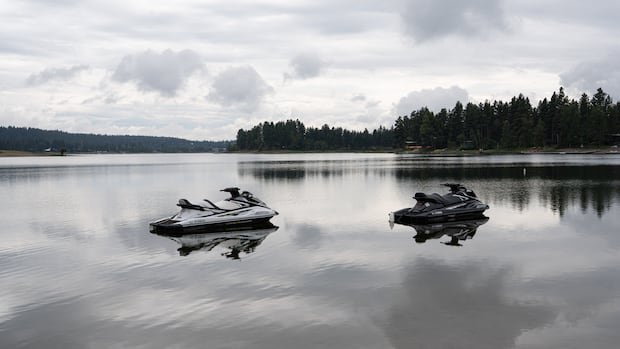

A recent evaluation of Wasa Lake has sparked concerns over the capacity of the small East Kootenay lake to accommodate powerboating activities. The initial assessment of water and sediment quality, conducted by Larratt Aquatic Consulting for the Wasa Lake Land Improvement District, revealed that the lake’s water quality was suitable for recreational purposes based on limited sampling conducted in 2025. Situated within Wasa Lake Provincial Park approximately 30 kilometers north of Cranbrook, Wasa Lake spans an area of more than a square kilometer.
According to the report, analyses of sediment samples indicated widespread contamination by petroleum-based hydrocarbons in the lake’s sediment. It highlighted that powerboating in shallow waters could disturb sediment from the lake bed. These findings have spurred discussions regarding boating activities, water quality, and the need for potential restrictions at Wasa Lake.
The report categorized Wasa Lake as “high risk” in a lake suitability index for powerboating, stating that only 13% of the lake meets the minimum depth and shoreline distance requirements for powerboating. It estimated that the lake can support a maximum of two powerboats or wake-surfing boats simultaneously, considering water quality and environmental factors.
The divisive issue has long divided the community surrounding Wasa Lake. The Wasa Lake Stewardship Volunteers, a local group dedicated to preserving the lake’s health and water quality, highlighted the lake’s shallow, landlocked nature with limited water circulation. This condition makes it easier for pollutants and disturbances to accumulate compared to larger, flowing water systems.
Shauna Mabey, a committed volunteer in the Wasa Lake area, emphasized the concern about the disturbance caused by larger boats stirring up sediment at the lake bottom. She proposed potential measures such as speed limits, restrictions on boat size, or other regulations to address the issue. The Regional District of East Kootenay board recently requested Transport Canada to develop science-based guidelines to identify when powerboat use could pose risks to the lake’s health, seeking a broader and standardized approach to the matter.
Kimberley Mayor and RDEK Director Don McCormick stressed the importance of Transport Canada’s cooperation for any future actions related to this issue. Mabey expressed apprehension about the potential deterioration of the lake if no changes are made, emphasizing the need for proactive measures to prevent irreversible damage.