

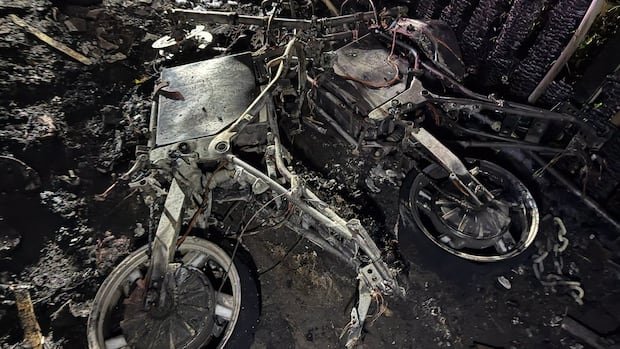

Firefighters have expressed concerns over the dangers posed by intense, rapid, and challenging-to-quench fires originating from lithium batteries in e-bikes at residential settings, such as incidents in Toronto and Peterborough, Ontario, as well as in large storage batteries at a solar farm in Prince Edward Island last month.
The risks associated with lithium battery fires have prompted restrictions on electric bikes and cars in certain buildings, public transit, and ferries, creating difficulties for users dependent on these modes of transportation. Additionally, such incidents have instilled hesitancy in some individuals about adopting electric vehicles.
This week marks Fire Prevention Week, with a focus on lithium batteries as the central theme. Understanding the complexities of lithium battery fires and implementing strategies to mitigate these risks are crucial.
Canadian fire departments lack uniform reporting methods for lithium battery fires; however, estimates from the Canadian Association of Fire Chiefs suggest approximately 1,500 fires were attributed to lithium batteries in 600 communities across Canada last year. The proliferation of lithium battery-powered devices has contributed to a surge in these incidents, according to Paul Boissoneault, the association’s president and Oakville Fire Department chief.
Lithium battery fires are most prevalent in household devices like e-bikes and e-scooters, while occurrences in electric vehicles and energy storage batteries are relatively rare due to stringent testing and safety mechanisms. Despite a lack of nationwide data on electric vehicle fires in Canada, U.S. statistics indicate their infrequency compared to traditional gas-powered vehicle fires.
The causes of lithium battery fires range from physical damage leading to short circuits to overheating due to improper charging practices. These fires can be challenging to extinguish and may reignite due to thermal runaway and the batteries’ self-generating oxygen properties.
Efforts to combat lithium battery fires are hindered by a lack of comprehensive training among firefighters and inadequate equipment for handling such emergencies. Strategies for reducing risks include purchasing certified batteries, proper charging practices, and appropriate recycling methods to dispose of damaged or recalled batteries safely.
In conclusion, educating the public on lithium battery safety measures and enhancing emergency response protocols are vital steps in minimizing the impact of these hazardous incidents.
(Source: CBC News)