

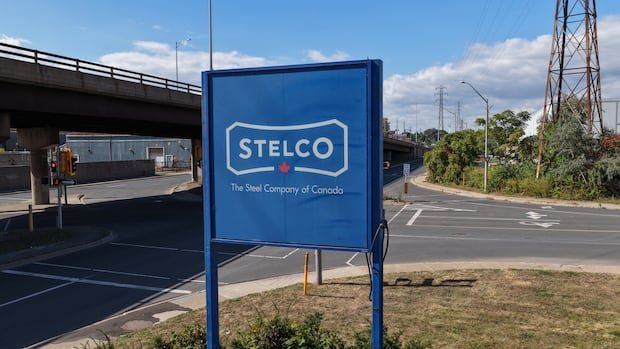

Prime Minister Mark Carney has pledged to utilize all available resources against the U.S. owner of an Ontario steel plant following the announcement of significant job cuts. Stelco, a company owned by Ohio-based Cleveland-Cliffs, attributed its decision to lay off up to 500 workers in Hamilton to the trade dispute between the U.S. and Canada initiated by President Donald Trump’s administration. Last year, the U.S. imposed hefty tariffs on foreign steel under Section 232 of the Trade Expansion Act, prompting Canada to retaliate with duties on various U.S.-made steel products.
During a news conference in Vancouver, Carney specifically criticized the CEO of the company, Lourenco Goncalves, for supporting Trump’s imposition of tariffs on Canadian steel imports. Carney expressed solidarity with the affected workers and their families, condemning the company for breaching its employment commitments. He emphasized the government’s resolve to employ all legal means to address the situation.
Cleveland-Cliffs acquired Stelco in a $3.4 billion deal in November 2024, with the aim of prioritizing national interests and recognizing the significance of the workforce. Carney expressed disappointment over Stelco’s workforce reduction decision, highlighting the government’s readiness to provide financial assistance to mitigate the impact of the ongoing trade tensions.
In response to the layoffs, Stelco’s vice-president of sales, Frederic Fafard, described the action as necessary to ensure the company’s survival amid challenging market conditions. While Stelco is scaling back operations in Hamilton, the company anticipates that a substantial number of employees may find opportunities at its facility in Nanticoke, Ontario.
Despite Industry Minister Mélanie Joly’s outreach to Goncalves regarding potential financial aid, Cleveland-Cliffs did not immediately address Carney’s mention of potential legal actions against the company. The situation remains fluid as discussions continue to address the implications of the layoffs and the broader trade dispute.