

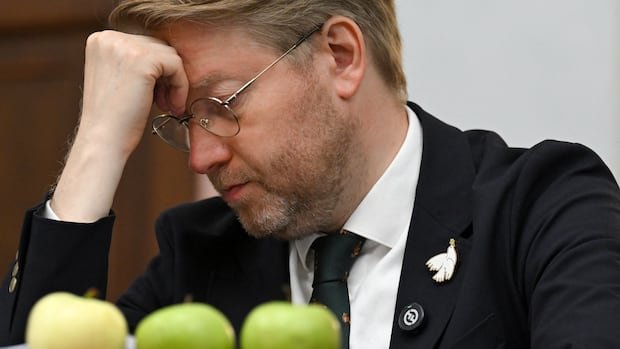

Russia’s highest judicial body ruled on Monday to exclude the sole opposition party challenging the Kremlin’s military actions in Ukraine from the upcoming parliamentary election. The Supreme Court invalidated the registration of Yabloko, which translates to “apple” in Russian, following a complaint from a pro-Kremlin party. Initially permitted by the Central Election Commission to participate in the election alongside 10 other parties, Yabloko, previously a prominent liberal voice in the parliament critical of the government, lost its seats in the State Duma as the Kremlin solidified control over Russian politics.
Yabloko, the only registered opposition party opposing the deployment of troops in Ukraine, had campaign messages advocating for a ceasefire, diplomacy, peace, and a Russia free from fear and repression. Grigory Yavlinsky, a veteran liberal politician and co-founder of Yabloko, expressed disappointment over the court’s decision and announced plans to appeal, emphasizing the importance of engaging in dialogue with dissenting voices.
Despite calls from exiled Russian opposition figures to support Yabloko, including Yulia Navalnaya, the widow of Alexei Navalny, the party faced scrutiny from Kremlin-aligned parties for its anti-war stance. Yabloko’s chairman, Nikolai Rybakov, disassociated the party from external support to prevent its removal from the ballot, while social media buzzed with videos backing the party’s message of peace.
The authorities’ move to exclude Yabloko from the election underscored their unease with the party’s platform, signaling a shift in public sentiment. Yavlinsky highlighted the significance of the party’s stance for peace and freedom, resonating with a broader audience than anticipated. Kremlin-aligned parties criticized Yabloko’s opposition to Putin’s policies and its support for peace efforts, leading to legal challenges and accusations of campaign violations.
Yabloko’s members have encountered increasing pressure from the Kremlin in recent years, with prominent figures facing imprisonment and being labeled as “foreign agents.” The party’s struggle against government crackdowns reflects a broader trend of stifling dissent in Russia, reminiscent of Soviet-era tactics.