

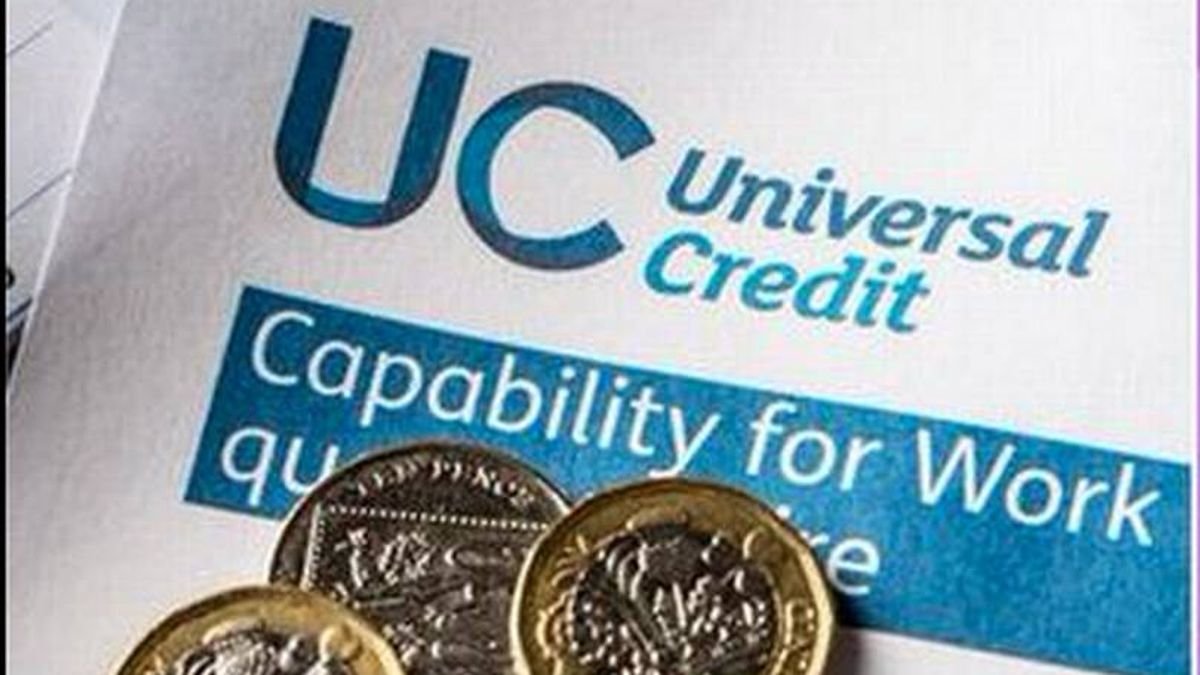

Millions of individuals receiving Universal Credit will experience a delay in receiving their increased payments, despite the scheduled rate hike in April. The standard allowance for Universal Credit, which is the base amount before any adjustments or additional components are factored in, will see an inflation-adjusted increase starting from April 13.
For single claimants over 25 years old, this translates to a rise in their monthly standard allowance from £400.14 to £424.90. However, since Universal Credit is disbursed retrospectively, beneficiaries will only witness the pay raise reflected in their payments from June onwards.
The augmented rates will specifically impact Universal Credit assessment periods commencing on or after April 13. Payments for Universal Credit are issued a week following the conclusion of each assessment period, delaying the implementation of the new rates until June payments.
The calculation of Universal Credit entitlement is based on the assessment period, considering earnings and deductions within that timeframe. Nearly eight million people in the UK claim Universal Credit, with eligibility contingent on various personal factors such as age, living arrangements, relationship status, income, savings, and sometimes, health conditions.
For employed individuals, a taper rate is applied to reduce the maximum Universal Credit payment as earnings increase. The taper rate stands at 55%, meaning that 55p is deducted from the maximum payment for every £1 earned. Some individuals benefit from a “work allowance,” a predefined earning threshold before Universal Credit reductions kick in, set at £411 per month for those receiving housing support and £684 per month for those without.
The detailed breakdown of additional elements, deductions, and reductions for Universal Credit payments can be accessed on GOV.UK.