


The period following the holiday season often brings financial strain to many households as the cost of living continues to rise. In light of this, consumers are becoming more mindful of their grocery expenses.
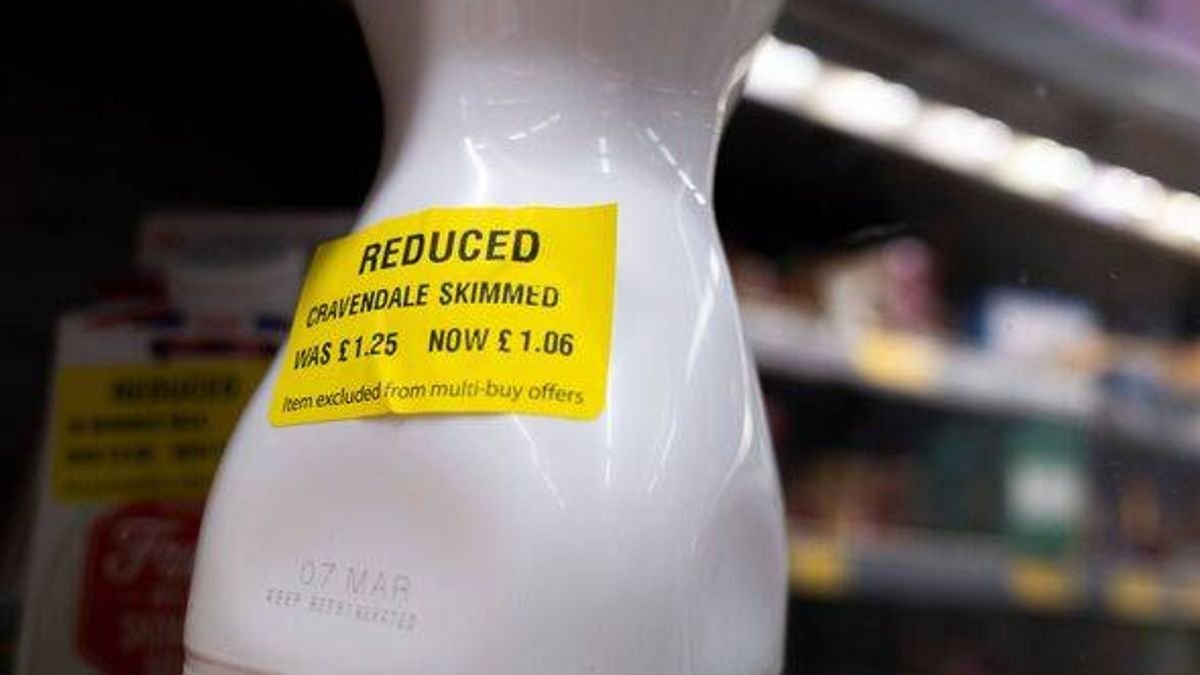
While major supermarkets like Sainsbury’s and Tesco offer loyalty programs with rewards and discounts on specific items, these may not always suffice. One effective way for shoppers to save on grocery purchases is by seeking out yellow sticker markdowns.
Identifying these discounted items can be challenging, especially for infrequent supermarket visitors. Richard Price, a grocery expert at Britsuperstore, known for his expertise in supermarket pricing, offers valuable insights on optimizing savings by strategically timing shopping trips.
According to Price, January can be financially demanding post-Christmas, making yellow sticker deals a significant advantage. Many supermarkets, such as Morrisons, Aldi, and Asda, typically implement a two-stage discount system. The first wave of price reductions usually occurs in the morning, with a second, often more substantial reduction taking place in the evening or near closing time.
These discounts, varying between 10% to 25% in the morning and up to 90% in the evening, are particularly prevalent for perishable items nearing their expiry dates. Supermarkets adopt this dual discount strategy to manage high-demand items strategically and clear excess stock to prevent wastage. For instance, products like fresh meat, dairy, ready meals, and bakery items may see hefty 90% discounts in the evening, benefiting both consumers and reducing food waste.
Price shares the optimal times to find yellow sticker deals at leading supermarkets in the UK:
– Best Time for Bargains: Early evening (around 5 pm) for potential discounts of up to 90%, with some products also marked down in the morning.
– Products to Seek: Ready meals, fresh meats, dairy products, pies, and fruits and vegetables are commonly reduced by 90% or more, especially those nearing their use-by dates.
Additionally, various supermarkets offer discounts on different products at specific times, depending on stock levels and expiry dates. For instance, the Co-op regularly reduces prices on various items, while Sainsbury’s provides up to 50% savings for loyalty card holders.
To make the most of these opportunities, shoppers are advised to stay alert for yellow sticker labels throughout the day, as discounts on fresh food items are typically scattered across different times. Tesco, for example, features dedicated sections for reduced-price items like ready-to-eat meals, fresh salads, and meats.
By being vigilant and strategic in their shopping approach, consumers can take advantage of these discount opportunities to save money on their grocery bills.