

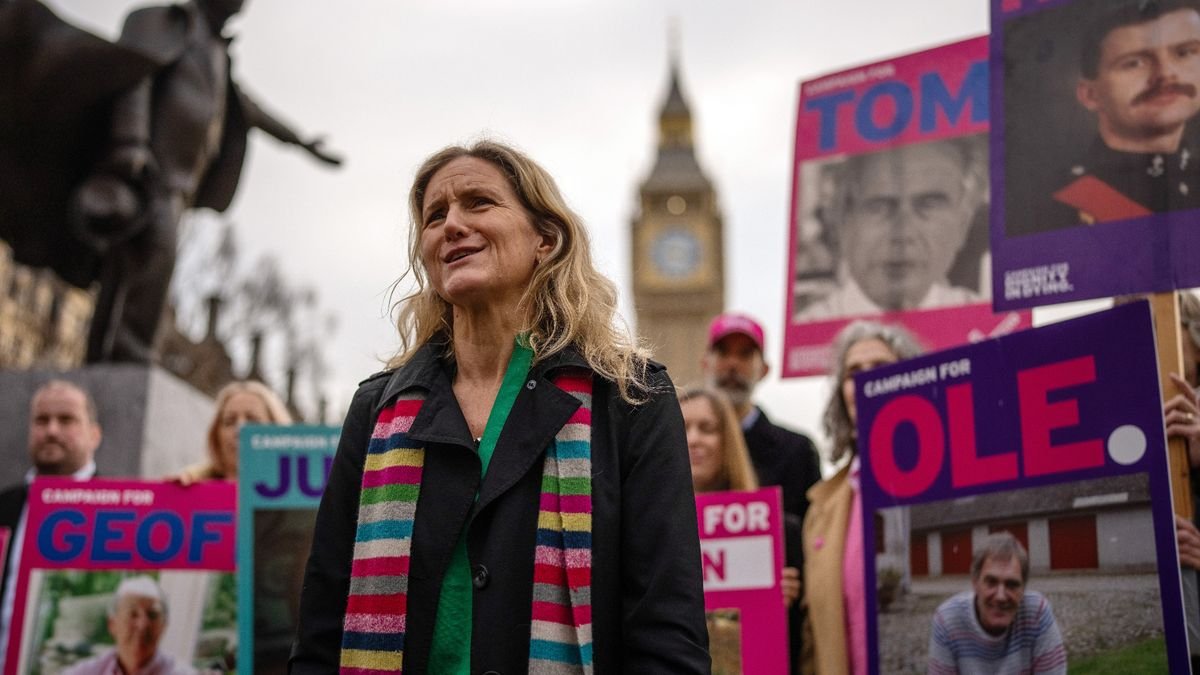

Peers are facing criticism for introducing amendments deemed as unnecessary and cruel to block the assisted dying bill from progressing towards a change in the law. Labour MP Kim Leadbeater, a key advocate for legalizing assisted dying, accused House of Lords members opposing the Terminally Ill Adults (End of Life) Bill of trying to undermine its passage.
The proposed law aims to permit terminally ill adults in England and Wales, with less than six months to live, to request assisted death, pending approval from two doctors and a panel consisting of a social worker, senior legal figure, and psychiatrist. Concerns are rising among supporters that time is running out to enact the bill before the parliamentary session ends in the Spring, jeopardizing its chances of enactment. On the other hand, critics argue that such crucial legislation requires thorough scrutiny.
Leadbeater expressed dismay over the excessive number of amendments, labeling many as unnecessary and some as outright cruel. She suggested that opponents of the law change are attempting to obstruct its progress. Highlighting specific amendments, Leadbeater criticized one requiring the filming of a dying person’s final moments as intrusive and heartless.
Baroness Tanni Grey-Thompson, a former Paralympic champion opposing assisted dying, defended the amendments as essential safeguards to address significant gaps in the legislation. She emphasized the importance of exploring coercion and improving the safety measures surrounding end-of-life decisions.
Although the Bill received approval from MPs in June, its advancement through the House of Lords has been sluggish, with only a fraction of the numerous amendments discussed. Concerns have emerged that delays in the Lords’ deliberations could impede the bill from becoming law. Despite the tradition that peers should not block legislation from the government’s manifesto, the assisted dying bill was not part of Labour’s manifesto but was introduced independently by backbencher Leadbeater.