

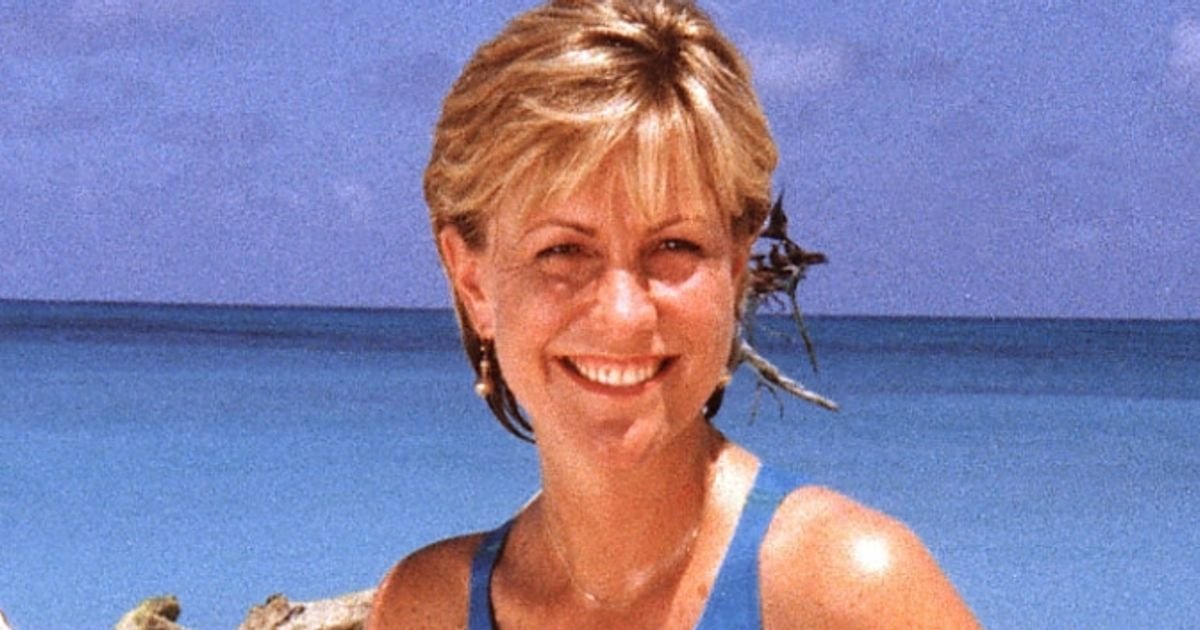

After more than 26 years, the potential key to solving the longstanding Jill Dando murder mystery may lie within the 223 boxes of evidence stored in police deep storage. The Metropolitan Police is currently evaluating the findings to determine if they could lead to a new line of inquiry.
Nigel, Jill’s brother, has expressed optimism about new information emerging periodically, with some instances ending up inconclusive. Following a thorough examination alongside former colleague Matt Young, Nigel believes there are promising leads that warrant further exploration.
The investigation into Jill’s murder marked one of the largest homicide inquiries conducted by the Metropolitan Police, second only to the ongoing Stephen Lawrence murder case. Each of the 223 evidence boxes contains approximately 1,000 pages of crucial information.
The comprehensive documentation, consisting of 23,246 records stored on the Home Office Large Major Enquiry System (Holmes), was part of Operation Oxborough in 1999. The pressure was intense from the outset, particularly as the police force was still grappling with the fallout from the Macpherson report, which had recently criticized its handling of the Stephen Lawrence case.
Det Chief Insp Hamish Campbell and his team conducted a meticulous investigation, interviewing over 2,500 individuals, tracking 1,200 vehicles, and collecting 3,700 exhibits. The inquiry, costing £2.75 million, pursued numerous leads, involving a thorough examination of mobile phone records, CCTV footage, and extensive background checks.
Various leads were explored, including the analysis of 60 firearm-related female homicides, verification of 8,000 names provided to the police, and tracing 20,000 blue Range Rovers. Despite receiving a significant volume of correspondence daily, which included phone calls and emails, the theory of Jill’s murder being linked to a Serbian plot lacked substantial evidence.
Barry George’s arrest in April 2000 led to a year-long effort to solidify the case, aiming to avoid a repeat of past judicial mishaps. Although George’s initial conviction brought a sense of closure, his subsequent acquittal in a 2008 retrial highlighted a miscarriage of justice after spending eight wrongful years behind bars.
Det Chief Insp Hamish Campbell, who led the investigation until his retirement in 2013, remained steadfast in his belief regarding the case’s resolution, as depicted in a documentary. Former Met Det Chief Supt Barry Webb praised Campbell’s meticulous and unbiased approach in considering all possible scenarios.
Following a major forensic review in 2014 and subsequent periodic assessments, the investigation was placed on inactive status without undergoing a comprehensive review by an independent officer. Further forensic examinations have been conducted since then to potentially uncover overlooked evidence.