

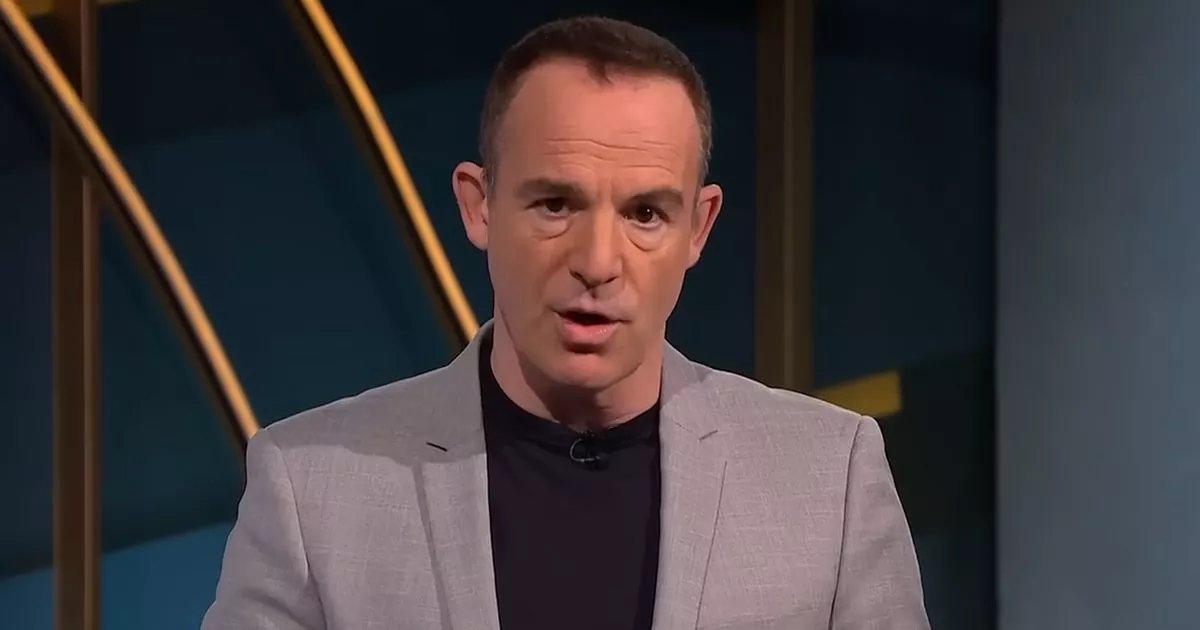

Millions of households could see an annual increase of £39 in savings on their energy bills due to proposed changes in funding for the Warm Home Discount. The government is seeking feedback on a plan to transfer the cost burden from the fixed standing charge to the energy unit rate, benefiting low-income households and those with lower energy consumption. This initiative is receiving praise from consumer advocate Martin Lewis.
The Warm Home Discount scheme, administered by the government, offers a £150 discount on electricity bills to eligible low-income families during winter. The proposed shift in cost recovery from the standing charge to the unit rate, set to take effect from April, is expected to result in cost savings for most households, particularly for low-income households that use less energy.
While the move is projected to benefit a majority of households, those with higher energy usage, such as households charging electric vehicles at home, may face increased costs under the new unit rate structure. In parallel, the government is introducing measures to reduce energy bills, including a promised £150 yearly savings and changes in funding allocation to lower costs for high-use households relying on electric storage heating.
Moneysavingexpert.com founder, Mr. Lewis, emphasized the potential positive impact of these changes on energy bills, noting that the proposed shift would likely lead to a decrease in standing charges and unit rates. The government estimates that approximately 16.5 million households, including 2.8 million low-income households, will benefit from the transition, with some households expected to save up to £138 annually after factoring in the Budget measures.